Review of The Pale Haunt Departure by Novembers Doom

Band: Novembers Doom
Album: The Pale Haunt Departure
Release Date: 8 March 2005
Record Label: The End Records
Performing at Maryland Deathfest XIV: 4:10 Friday at Edison Lot B

The Pale Haunt Departure by Novembers Doom

This review of an 11 year old album is part of our ongoing coverage leading up to Maryland Deathfest XIV. I let my writers pick an album by a band that isn’t as popular as some of the bigger names at the fest and write about it in the hopes of getting some more people interested in seeing them at MDF. DCHM writer Tal put together this thoughtful piece on Novembers Doom. You can see DCHM writer Buzzo Jr’s MDF pick here. Stay tuned as I’ll be posting the Maryland Deathfest XIV Survival Guide in just a few hours!

Although I love Novembers Doom, I find it really hard to listen to The Pale Haunt Departure, the Chicago based band’s fifth full-length album which came out in 2005. Pioneers of the death/doom genre, they actually started as a death-thrash band called Laceration in 1989, but by the 1995 release of their first full-length, Amid Its Hallowed Mirth, they had renamed themselves and changed to a trudging doomy sound, sometimes melodic but always dripping with despair. In the early 2000s they reincorporated a more energetic death metal sound, and now their current sound ranges from heavy riffs and growled vocals that sound surprisingly like Swedish melodeath, to lamenting clean vocals, morose guitar melodies and thick doomy riffs characteristic of their early albums. In terms of sound, I actually prefer 2007’s The Novella Reservoir, where they perfect the melodeath sound that they brought in on The Pale Haunt Departure. But The Pale Haunt Departure strikes an emotional chord for me which is hard to escape, no matter how painful.

The first Novembers Doom song I heard was “Autumn Reflection,” which remains one of their most popular songs to this day (all these years later, it’s still the third result in a YouTube search for Novembers Doom, with over 630,000 views as of this writing). I first heard this song when I was just starting my (still ongoing) recovery from post-partum depression, and my relationship with my young daughter was in shambles. The chorus cut me to me core:

I thank the heavens above
For the angel beside me today
The guardian of my sanity
The one who will save my soul

I thought, Damn. This is it. If I don’t get this right, the rest of life isn’t worth a thing. It hurt like hell but it also inspired me to keep picking myself up out of the mayhem and trying to be a better parent, when it was the hardest thing I could possibly do. When I found out in an interview that vocalist Paul Kuhr wrote the song about his own daughter, that only made it more poignant. I can’t believe he says he “catches shit” for writing this “weak” song, by the way. Emotionally I find it quite heavy, and it does have some musical heaviness too.

“Autumn Reflection” is probably the slowest song on the album, though, with no harsh vocals. It does feature some very distorted and heavy guitars during the chorus, a stark contrast to Paul Kuhr’s haunted vocal delivery. There’s nothing weak about those thick guitar riffs, which create a wall of gloom that Paul’s hopeful vocals try to surmount. Toward the end of the song, as Paul sings, “I am stronger now, since you came to my life,” the hopeful feeling prevails (mostly) with a melodic guitar bridge and piano segment that are at once sad and uplifting.

The song after this on the album, “Dark World Burden,” is quite a change, with fast, groovy melodeath riffage. As I alluded to before, The Pale Haunt Departure was the album where Novembers Doom added more of a death metal sound to their previous ponderous and contemplative doom sound. The album starts with this crisp, fast drumbeat and a churning, energetic riff—the eponymous first song is more death than doom, also featuring growled vocals throughout. Novembers Doom used harsh vocals earlier, but they were extra-low and drawn out doom vocals, whereas these are faster and more aggressive melodeath harsh vocals.

The second song, “Swallowed by the Moon,” has more of a slow moody sound with dramatic spoken vocals, although there are also commanding death metal growls. This is another song that seems to deal with failure in parent-child relationships:

Will you remember that I tried my best?
Will you remember the father I was?
Once again the daylight fades, and I’m swallowed by the moon
Will you look back and smile for me?
Will you remember me when I have gone?

The song isn’t completely slow, though–it’s more a mix of melodeath bits, growls and moments of faster heavier guitars, and doomy bits, a mixture that characterizes most of the album.

Prior to The Pale Haunt Departure, Novembers Doom had a lot of line-up changes, but around the time TPHD was released, things started to stabilize. They’ve since changed drummers and bassists, but the guitarists Larry Roberts and Vito Marchese have been with Paul, the only remaining original member, since the early 2000’s. Actually, according to another interview, Larry Roberts was apparently the driving force behind the band’s shift to a more death metal sound.

Most of the other songs on The Pale Haunt Departure have a strong death metal vibe, with fast heavy riffs and growled vocals, but they also have their doomy moments—ominous or despairing spoken vocals, darkly churning or melancholic or dreamy melodic guitars, the crushing but ponderous pace of “The Dead Leaf Echo.” Failure in relationships continues to be a theme, as shown by the chorus from that song:

All I can do, is look the other way, and pretend that your face held a smile.
Not to see your sullen eyes, staring past my soul, into the darkness of night.
I feel I’ve failed you, when we both know, I never had the chance, to say hello.

It’s not easy listening—for me personally, many of the lyrics on this album bring back the time when I was left alone with my daughter, the sinister specter of depression and the strain it has put on our relationship. But I think it would be worse to forget these things—to forget about the angel by my side, how far I have come and the work I still have left to do. I may have lost the paradise of my innocence, but salvation may still be possible. I hear it in the thick and doomy yet uplifting guitars in the last song on the album, “Collapse of the Falling Throe.” The lyrics, however, are much darker than the music would suggest.

And in spite my emotional turmoil, I’m stoked to see Novembers Doom at MDF, where they’re playing Friday at 4:10pm in the Edison Lot. Metal is not an easy listening genre; sometimes it can be quite horrendous. This wouldn’t be the first time that I’ve been at a show and had difficult emotions come up. But the very reason doom appeals to so many people, the unique mix of heaviness and sadness that made Novembers Doom one of the foremost U.S. death/doom bands, is the cathartic feeling of facing your inner demon and being able to set it aside. Also, after years of fandom I’m stoked to finally get this chance to see the band live. Despite being from Chicago, Novembers Doom doesn’t seem to tour the U.S. much – they’re bigger in Europe and seem to spend more time performing there. If you’re a fan of heavy music with deep feeling then this is an opportunity not to be missed.

Autumn Reflection:

The Pale Haunt Departure:

Dark World Burden live:

Review of Dominion Of Darkness by Hellbringer

Band: Hellbringer
Album: Dominion Of Darkness
Release Date: 28 September 2012
Record Label: High Roller Records
Performing at Maryland Deathfest XIV: 9:50 Sunday at Edison Lot B

Dominion Of Darkness by Hellbringer

Welcome to the start of our Maryland Deathfest XIV coverage! Usually we only review releases by local bands on DCHM but there are some exceptions, and MDF is one of them. Every year I ask my album reviewers to pick a lesser known band on the Deathfest bill and review their latest album (even if it’s a few years old) in the hopes of getting people to check out one of the great bands on Deathfest that isn’t as well known as the headliners. DCHM writer Buzzo Jr. picked the band Hellbringer, the first band playing on Saturday at the Edison lot. Be sure to give a listen to the songs at the end of this post too.

Hellbringer is a thrash/speed metal band that was formed in Canberra, Australia. The three piece was originally founded in 2007 under the name Forgery by bassist/vocalist Luke Bennett and his brother Josh, who is the drummer, along with Tim Sheppard on guitar. In 2010, following the release of their EP, Tim was replaced by James Lewis and the band changed their name to Hellbringer. The trio soon released their debut full length Dominion of Darkness on High Roller Records in 2012, and will now be playing some of their first ever shows in the United States on their Darkness Over North America Tour; the final show being their first ever appearance at Maryland Deathfest. Hellbringer will be the first band to take the stage on Saturday, playing the B stage at the Edison lot at 12:15 PM.

The mid 2000’s saw an influx in newer thrash metal bands attempting to revitalize the genre that had previously lost most of its mainstream appeal in the 90’s. Modern thrash bands like Havok and Violator were a dime a dozen, but a large amount of these bands suffered from the fact that they all sounded like a 2000’s era band attempting to play Exodus or Megadeth riffs with much cleaner production. This is not the case with Hellbringer’s Dominion of Darkness. This record doesn’t simply sound like a few guys trying to emulate old school thrash metal; no, this is music that if you heard today you would swear it was recorded at the tail end of 1984. A large amount of the bands that emerged in the modern thrash revival mostly relied on emulating the party-thrash style of the classic crossover thrash bands like DRI and Cryptic Slaughter, or the more aggressive and serious sounding social commentary of Megadeth and Metallica. While there are a few exceptions, there are very few modern thrash bands that are able to sound truly evil. Taking an indisputable amount of influence from Slayer’s Hell Awaits record, Dominion of Darkness accomplishes just that. Luke’s reverb soaked vocals are akin to the cries of a demonic hell-beast. Comparisons to Slayer’s Tom Araya are inevitable, but Luke makes these vocals his own, and they work extremely well alongside the crushing riffs that are delivered from James Lewis. The riffs on this album are absolutely vicious; forming a whirlwind of teutonic, blackened vileness, and creating a hellish atmosphere that brings visions of demons inhabiting an otherworldly realm filled with nothing but pain and fear. The crushing riffs are interspersed with solos that are melodic yet at the same time absolutely chaotic. While not as technically impressive as the guitar and vocal work, the bass guitar and drumming on the album also play their part brilliantly. The grooving bass lines supply additional weight to the main guitar riffs, while the d-beat style drum beats serve to make sure that there is never a sense of empty space in the album; varying the tempo of the fills and double bass when needed. While some listeners may be seeking more technical and progressive thrash metal in the realm of Vektor, I definitely think it’s one of the best thrash albums to come out it a long time.

If you’re a fan of old school satanic thrash metal, then give this record a listen as well as heading to the Edison lot early on Saturday to catch Hellbringer’s set. These tracks are bound to get everyone’s heads banging from the get go. Hellbringer will also be releasing their second full length record Awakened From The Abyss this August, so make sure to keep an eye out for it!

Sermon Of Death:

Demon’s Blood:

Hellbringer live:

Review of Awake by Lord

Band: Lord
Album: Awake
Release Date: 18 March 2016
Record Label: heavy Hound Records
Buy on CD ($9.99) or digital ($7) from: Bandcamp

Awake by Lord

Lord is a local band that I’ve been a fan of for some time here at DCHM so I’ve been excited we’re finally getting more songs from them. The following review is from DCHM writer Buzzo Jr who certainly has his opinions about the release. Be sure to give the songs a listen at the bottom of this post.

The Fredericksburg, Virginia, based stoner/sludge outfit Lord returns with their newest full length album Awake, following up their sophomore release Chief from 2011. The band has seen a few lineup changes in the past five years; with drummer Steven “Sven” Sullivan being replaced by Kevin Marimow, and Helena Goldberg (also of Virginia stoner/sludge band Akris) handing bass duties over to Chris Dugay. Lord’s third full length outing has them sticking with the familiar southern sludge they’ve been known for.

In a good amount of cases, an album’s production can be the key element that will make or break the listening experience. Lord’s newest full length is unfortunately a prime example of the latter. Awake has all the elements necessary to make a great sounding stoner/sludge album, but all of those elements are muddled by the album’s overall audio production. The first thing I noticed about the production was how raw it was. Now, raw production can work very well for sludge metal in some cases. Bands like New Orleans’ Eyehategod and England’s Iron Monkey utilize raw production to accentuate the harsh and nihilistic feel of their music. But with sludge bands like Lord who incorporate more melodic and psychedelic elements into their sound, an extremely raw production on the album will negate any of the effect they may have been going for. The guitar and the bass are the first two casualties of this. The riffs on all of the tracks lack a great deal of the punch that they had on Lord’s first two albums which is disappointing seeing as they had the potential to be absolutely crushing if not for the way the mix drowns them out, and the bass lines are almost inaudible for a majority of the running time. The guitar solos also take a hit; with all of the melody and feeling of them sapped away by how muddy the end result is. The drumming suffers from similar issues, with the pounding drumbeats we heard on their first two albums being replaced by a heavily muffled sound that really takes away from the overall experience. It’s definitely not as bad as Lars Ulrich’s tin can monstrosity from Metallica’s St. Anger album, but it’s definitely not the best I’ve heard from Lord.

The element that is most negatively affected by the raw production are Steven Kerchner’s vocals. The vocals on Awake alternate from multi layered mid ranged howls, low grunts, and high pitched screams. A glaring difference from the previous album Chief is the lack of the clean and melodic vocals that former member Helena Goldberg supplied; giving a contrast to Kerchner’s harsher vocal styles. The variety of Kerchner’s vocal deliveries is unable to overcome the fact that for most of the time the vocals on the album are drowned out by the other instruments and the raw haze that the production puts on the record. Out of all the vocal styles that Steven alternated between, his high pitched scream is actually the one that ends up sounding the best, due to it being the one that was able to cut through the rest of the instruments and become fairly audible in comparison. The one track on this album that did stand out to me however was “The Great Communicator;” an all acoustic track that showcases a great deal of southern influence in the guitar playing, along with a great vocal performance that sounds much better than on any of the other tracks, mostly due to the fact that there are fewer elements in the song, thus allowing the echoing vocals to create a hazy atmosphere that resonates along with the bluesy strumming of the acoustic guitar. “The Great Communicator” is a standout example of the potential the rest of Awake had, and hopefully they can learn from this and release a much better record next time around. However, I am very interested in seeing these songs performed live, as it’s likely that they will translate far better in a live setting. I’m sure “The Great Communicator” will be a great track to bust out at the midway point in the live show to bring in a more mellow tune. [Editor’s Note: Lord will be playing in Fairfax, Virginia, on Saturday, May 14th. Details here.]

Third time is unfortunately not the charm for Lord’s newest release, and if you are looking to get into them I would recommend that you start off with their Chief album instead (get it here). Here’s to hoping that Lord go back to the great production of their second album and give us a quality fourth release in the future.

Review of Arc by Agoraphobic Nosebleed

Band: Agoraphobic Nosebleed
Album: Arc
Release Date: 22 January 2016
Record Label: Relapse Records
Buy on CD ($11) or digital ($6) or vinyl ($19) from: Bandcamp

Arc by Agoraphobic Nosebleed

Locals Agoraphobic Nosebleed have been very active lately. They recently started performing their first live shows at various festivals around the world (including their first ever live performance at last year’s Maryland Deathfest). Now they’re working on putting out a series of EPs that each feature a different band member’s musical tastes. When I heard the first of these was going to be a slower, more sludgey album I knew that DCHM writer Buzzo Jr would be perfect to review it since he is a fan of both grind and sludge metal. What follows is his take on the first studio recording of this new era for Agoraphobic Nosebleed. And don’t forget to stream a track from it at the end of this post!

Grindcore legends Agoraphobic Nosebleed have been delivering hyperspeed audio assaults fueled by manic riffs and machine gun tempo drum machines since the early 90’s. The band have since experimented with harsh noise, power electronics, and crossover thrash. Their experimentation continues with Arc, the first in the series of EPs the band is releasing that will each have a separate style representing a different member’s musical taste. Driven by vocalist Kat Katz, Arc is definitely a major departure from the ultra fast grind/crossover style Agoraphobic Nosebleed is infamous for, and instead is a slow, heavy, 3 song slab of sludge metal. If this was your first time listening to them, I’m pretty sure you would be quite surprised to learn that this is the same band that released Altered States of America; a frantic 100 song EP clocking in at only 20 minutes.

Arc gets the ball rolling with “Not a Daughter,” a relentlessly groovy track that at some points sounds almost upbeat with its swaying, southern feel. I don’t think anyone has ever dared to use the term “catchy” to describe an Agoraphobic Nosebleed song, but I’ll be damned if I can find a better description for the bluesy, pulsating riffs that guitarist Scott Hull unleashes here. Hull, also of local grindcore band Pig Destroyer, has flirted with slower, doomy material in the past on some Agoraphobic Nosebleed tracks and with Pig Destroyer’s Mass & Volume EP, but on this album it seems as if he’s actually been in at least 3 secret sludge bands. The riffs here are something I would expect from seasoned sludge veterans like Jimmy Bower of Eyehategod or Buzz Osbourne of the Melvins. The mid paced grooves of “Not a Daughter” soon give way to the next track, “Deathbed.” Any sense of slight optimism that may have been heard in the first track are now all but gone, with the pace coming to a slow dirge that creeps along with a spiteful sonic intensity. Agoraphobic Nosebleed has always been instantly recognizable for their use of incredibly fast drum machine blast beats, giving their early releases an almost machine like feel to them. Scott Hull’s programming skills have vastly improved throughout the years however, and on Arc the pounding drumbeats feel completely organic; at times I almost completely forgot that Agoraphobic Nosebleed didn’t have a drummer. The methodical pace of the drums on this album show that Hull definitely knows what he’s doing. Hull also handles the basswork on all of the tracks, and while not as exceptional as his guitar work, the flowing basslines on all of the tracks provide a great backbone to the rest of the music. The EP soon comes to a close with “Gnaw”, a mammothly crushing track filled to the brim with slow, sinister riffs and tormented screams. Vocalist Kat Katz is front and center on this album, with her howling screams and low growls echoing along with Scott Hull’s brilliant guitar and drum work. Kat is no stranger to doom and sludge, as many will remember her amazing vocals from her time in local doom band Salome. While not exactly a replication of past work, it’s great to hear Kat’s amazing vocals alongside slower material once again. Apart from the major change in tempo and number of songs, another huge change that listeners will notice about Arc is the subject matter of the tracks. You won’t find any songs like “Dick to Mouth Resuscitation” or “Druggernaut Jug Fuck” on here. The morbid comedy of past Agoraphobic Nosebleed tracks are instead replaced with much more personal tone. The lyrics on Arc are all written by Kat Katz, and revolve around her dealing with the death of her mother who suffered from schizophrenia. The intense personal meaning in the songs gives even more weight to them; with the emotional severity adding to the bleak tone the album already conveys.

The band is planning to release the rest of the EPs later this year, and I’m pretty psyched to hear how they differ from this and all of the previous Agoraphobic releases. Those of you who were expecting just another hyperspeed offering of grindcore may be disappointed, but if you’re open to a band experimenting with vastly different musical influences, and are a fan of slow, Black Sabbath worshipping tunes, then this is for you. Agoraphobic Nosebleed’s Arc is a major departure from the sound we know them for, but it’s proof that experimentation can bring forth great results. For those still sad about Salome breaking up (myself included) this is a great way to appease your need for more local sludge driven by Kat’s peircing howls. Definitely give this album a listen and don’t miss Agoraphobic Nosebleed when they play their first ever local headline show at the Black Cat in May!

Review of Tenebrosum by Windfaerer

Band: Windfaerer
Album: Tenebrosum
Release Date: 22 September 2015
Record Label: Hammerheart Records (will re-issue in January)
Buy on CD ($12) or digital ($7) from: Bandcamp

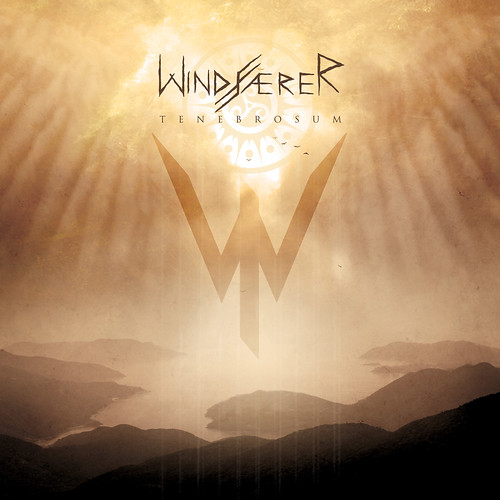
Tenebrosum by Windfaerer

At the end of every year I like to give my album review writers the chance to write about not their favorite album of the year but instead the one they think was the most overlooked and deserving of more attention. The albums don’t have to be from the local scene like most of the reviews on DCHM and the choice is totally up to them. Buzzo Jr’s was posted here yesterday but today is Tal’s pick for the 2015 album that deserves more attention.

For a while now I’ve preferred metal music that’s slower and sadder than the norm, and sometimes haunting or ethereal rather than heavy. But there’s still a part of me that longs for epic grandeur, as my 2013 review of Echoes Of Battle by Caladan Brood goes to show, and this year I found myself drawn to a similarly dark and epic album: Tenebrosum by New Jersey’s Windfaerer.

I first heard Windfaerer on Lightfox177’s Youtube channel, a treasure trove of ambient and atmospheric metal, so I expected something either ethereal or desolate. I could hardly believe my ears as the commanding riffs at the start of “Celestial Supremacy,” which is the first song on the album, thundered out of my headphones. It does have a cascading atmospheric guitar sound to it, but it also has energetic groove more like the melodeathy end of the folk/Viking metal spectrum. I would put this song on while working on my novel, but then end up headbanging too hard to get any writing done. And it only amps up more, as a minute and a half in, the drums go wild and the guitars become a white-noise wall of sound punctuated by distorted wah’s, and then roaring vocals summon the darkness. A keening violin cuts through the chaos. Then during the chorus the song expands to epic grandeur, as you can just make out the vocalist roaring, “This is the legend we have forged.”

Comparisons to Summoning and Caladan Brood are inevitable, and warranted, as far as the epic parts are concerned. In addition, the style of the violin melodies recalls Maryland folk metal band Isenmor, especially in the parts where the violin soars on flights of fancy over a frenzied black metal barrage. Could this be a distinctive flavor of U.S. East Coast folk metal? The band describes themselves as “an extreme aural entity inspired by black metal and folkloric atmospheres…an homage to ancestral travels and an essence beyond our grasp,” defying location in a single genre or tradition.

Drawn in by “Celestial Supremacy,” I went on to listen to the rest of the album. The second song, “Finisterra,” features an irresistibly groovy and headbangable riff, and an instrumental segment that starts as a dreamy clean passage with gently flowing violin, and then morphs into a soaring solo over tremolo-y atmospheric guitar.

The first two songs are so captivating that they overshadow the third song. “Tales of Oblivion” has a slower feel, in spite of its blast beats and buzzsaw riffage, due to the slow melody and drawn out vocals, though it does have a fast and then furious passage in the middle. There isn’t as much captivating groove or melody to this song though. “Santería,” meanwhile, is a wild dance of violin over hammering riffs and frenetic blasts of drumming. It’s a relatively short, fast and heavy instrumental. It segues smoothly into “The Everlasting,” which features sweeping violin over the now expected barrage of drums and guitar, while the vocalist roars grandly, “These wounds will last forever, like stars carved in the sky / The heavens bleed the sorrows of mankind.” Cascades of tremolo guitar are surmounted by an achingly beautiful violin melody, and then the song closes with a clean guitar passage, contrasting with the godlike wrath of the vocals in between.

“Morir en el olvido” begins with a catchy riff and then violin melody, which underpin the song even once the darker vocals, blast beats and buzzsaw guitar come in. It’s another groovy headbangable one with its abundance of melodic riffage. “The Outer Darkness,” the last song on the album, is a last assault of frenzied guitar, drums and violin all together, as though all the forces of darkness were battering at the gates. This is not the anthropomorphic darkness of a demonic figure, however, but the inanimate forces of nature and the cosmos around us:

I am the expansiveness of planets
I am the disinterested force of storms

This plane is hostile
Here there is nothingness
I am the outer darkness

After a more moderate section with a meandering, proggy violin solo, like a pleasant jaunt through the far reaches of the galaxy, our ultimate smallness catches up with us, as the song and album end with a last barrage of instruments and vocals that conjures up the howling of the void.

In contrast to most other epic bands, Windfaerer’s subject matter on Tenebrosum doesn’t include any heroes or mighty deeds. Instead they sing of “sagas of seclusion,” “bleak words that have failed me” and being “washed away like sand at shore, slowly erased from time.” Even “Celestial Supremacy” with its references to legends and quests seems to be more about the fruitlessness of such endeavors, and ends with the voyagers leaving earth behind, perhaps forever. Heroic epics are about remembering; Tenebrosum is about oblivion, being forgotten and disappearing. It is actually anti-epic – or perhaps an epic paean to the immense cosmos that overwhelms all human attempts to write our names in the sand, as it were.

But hey, at least we get to listen to something as soul-stirring as this album during the time we do have here.

Review of The Insolent by Antigama

Band: Antigama
Album: The Insolent
Release Date: 7 May 2015
Record Label: Selfmadegod Records
Buy CD ($10) or digital ($8) or vinyl ($15) or cassette tape ($8) from: Bandcamp

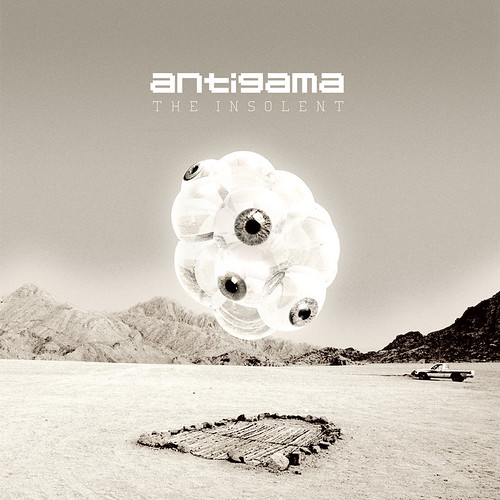
The Insolent by Antigama

At the end of every year I like to give my album review writers the chance to write about not their favorite album of the year but the one they think was most overlooked and deserving of more attention. The albums don’t have to be from the local scene like most of the reviews on DCHM and the choice is totally up to them. Today is Buzzo Jr’s turn and, well, I’ll let his words do the talking from here.

There was a ton of awesome heavy music that was released this year, but an unfortunate amount of it went rather unnoticed by most people. One of those releases that I felt wasn’t given enough praise this year was The Insolent. The Insolent is the newest full length album from grindcore outfit Antigama; a band that has been delivering punishing tunes ever since the they formed in Warsaw, Poland, at the dawn of the millennium. With their seventh album, Antigama offers up a vicious array of grindcore tracks that that experiment with tempo and technicality.

The Insolent comes roaring straight out of the gate with the one-two punch of the tracks “Reward or Punishment” and “Foul Play,” both of which consist of blisteringly fast blast beats and energetic guitar riffs. Keeping within standard grindcore conventions, these first two tracks are very short; with neither of them breaking the two minute mark. Those who think that they are in for just another standard grindcore album are in for a surprise however, as they will soon realize that as the album progresses, the tracks get longer and more and more experimental. The next two tracks “Data Overload” and “Used To” bring the tempo of the album down slightly with distorted, industrial sounding grooves that are interspersed with sections of the familiar break neck speed found at the start of the record. Some grindcore bands often treat the bass guitar as a secondary instrument or shirks it in the production entirely making it all but inaudible and placing more emphasis to the lead guitar. This isn’t the case on this album however; Sebastian Kucharski’s bass is nice and audible, giving off a strong metallic twang. The flow of the album changes up again with “Randomize the Algorithm”; one of the more technical tracks on the album. The track opens with a brief audio sample from the 1995 supernatural horror film The Prophecy, (a pretty bad film in my not so humble opinion) and soon erupts into a barrage of start/stop riffage, dynamic bass lines, and tortured vocals roaring over it all. Sebastian Rockicki shows off his proficient guitar skills on this track especially; fusing traditional grindcore structures with more complex patterns to create a harsh, atonal sound that seems to take influence from the industrial sounds of Godflesh and the multi-layered, dissonant tunes found in GorgutsObscura album. The title track that soon follows is also jam packed with varying time signatures and corkscrewing riffs. The drumming on The Insolent is fantastic, and the title track provides the best example of Paweł Jaroszewicz’s incredible versatility on the drum kit. In the span of only two minutes, he transitions from hyperspeed blast beats to jazzy, polyrhythmic drum fills; meshing perfectly with the bass and guitar barrage provided by the two Sebastians.

The second half of The Insolent starts with the track “Sentenced to the Void,” a mid paced stomper filled with crunching grooves and thunderous vocals. Lukasz Myszkowski is a force of nature on this track, delivering cataclysmic roars that are soaked in distortion and vocal effects. The experimentation on the record comes out again in “Out Beyond”; a spacey track that makes good use of electronic effects to create an otherworldly atmosphere. The track is almost completely instrumental but for the last few seconds when the sample of a countdown to a launch is heard, perfectly leading into the track “Eraser”; another hyperfast display of technical riffs and vocal terror that slows again near the end to segue into the final track; “The Land of Monotony.” At over seven minutes long, this track is a slow, crushing slab of sludgy riffs and pounding drums. It provides a stark contrast to the balls to the wall speed of the majority of the album, giving a terminal sense of finality. The track at some points seems to be ticking down to its very last moments before coming to a void-like silence after the last echoes of Lukasz’s vocals fade away. There isn’t a single bad track on this album, although people who are looking for a more straightforward grindcore album may be put off by the slower, longer tracks near the end. That being said, if you were ever wondering what it would sound like if you took the spacey experimental style of Voivod and merged it with the balls out fury of Pig Destroyer, look no further than right here.

The Insolent is one of the best releases of 2015; grindcore or otherwise. If you consider yourself a fan of grindcore and experimental music, then give this album a spin and make sure to catch Antigama live if you ever have the opportunity, because I can say from first hand experience that they always put on one hell of a show. Here’s to another year of great underground music!