Review of Psychic Warfare by Clutch

Band: Clutch
Album: Psychic Warfare
Release Date: 2 October 2015
Record Label: Weathermaker Music
Buy CD ($9.79) or digital ($9.49) from: Amazon

Psychic Warfare by Clutch

Clutch has come a long way since their days on a major label. They show no signs of slowing down now that they release their albums through their own label, Weathermaker Music. DCHM writer Buzzo Jr breaks down the blue collar heroes’ latest call to arms in the following review of Psychic Warfare. Be sure to check out the music video at the end of this post.

For over 20 years Clutch has built up a dedicated cult following in the DMV area and beyond with their hard hitting brand of rock n roll. Now Maryland’s favorite band is back with their eleventh album Psychic Warfare, the much anticipated follow up to the immensely successful Earth Rocker from 2013. Like their previous album, Psychic Warfare is jam packed with high energy, blues driven stoner rock that’s begging to be played loud and is sure to get your head banging.

After a short intro track entitled “The Affidavit,” where frontman Neil Fallon’s deep voice asks the listener to take a seat and “Just start from the beginning,” the album gets off to a powerful start with “X-Ray Visions” which is filled to the brim with groovy riffs and hard hitting drum beats. The next track, “Firebirds,” is a song with an unbelievably catchy chorus aided in no small part by Neil Fallon’s fantastic vocals. Fallon is arguably one of the most charismatic and talented frontmen in music right now, with his deep, bellowing vocals and imaginative lyrics. His singing gives every song on the record its own sense of character; its own unique feel. Clutch start showing off their blues influences on the track “A Quick Death in Texas.” The blues laden riffs give off an undeniable ZZ Top vibe, but at the same time guitarist Tim Sult manages to inject his own style into the mix, perfectly blending melodic soloing with just enough grittiness in the riffs to ensure that at the end of the day it still sounds like a Clutch song. Tracks like “Sucker for the Witch” and “Your Love is Incarceration” has bassist Dan Maines utilizing his skills by laying down some infectiously funky bass lines that work in flawless unison with Sult’s guitar work. Fallon’s aforementioned lyricism is front and center during these two tracks, with great lines such as “It goes against my Catholic upbringing, I admit it, I’m a sucker for the witch!” or “As to the charges of gettin’ it down, Hey! Before the court, how do you plead? As to the charges that are laid before me: I confess, I am guilty in the first degree!” that are prime material for the crowds to chant along with the first time these tracks are played live.

The album comes to a slow interlude with “Doom Saloon;” an atmospheric instrumental reminiscent of the western inspired tunes on Earth’s album Hex; or Printing in the Infernal Method. The instrumental flows seamlessly into the beautiful “Our Lady of Electric Light.” The track is almost melancholy sounding with its slow tempos and clean melodies, and showcases Fallon’s vocal range by having him hold back his usual booming hollers in exchange for a reserved, southern croon. The tempo soon gets back into overdrive however with “Noble Savage.” Definitely the fastest song on “Psychic Warfare,” the track has the band playing at top speed with Fallon belting out lyrics like the life of his almighty beard depended on it, Sult letting solo after solo come loose, and Jean Paul Gaster beating his drum kit like it owes him money. JP’s drumming is the final piece of the puzzle that makes Clutch who they are. His drumming manages to work in influences from the area’s past music scenes such as the speedy kick pedal work found in the DC hardcore scene, and the simple yet effective beats found in gogo music. The next two tracks “Behold the Colossus” and “Decapitation Blues” continue on with the same great quality found on previous songs, with plenty of groovy riffs and foot stomping beats continuing to drive the album forward. Finally the stage is set for the closing track “Son of Virginia.” Clocking in at seven minutes in length, it’s their second longest track ever, surpassed only by the twelve minute “Dragonfly” from their Elephant Riders album which was released back in 1998. “Son of Virginia” is definitely what one would call an epic; starting out with a clean, southern tinged guitar line working in unison with Fallon’s ever so powerful voice that soon builds up into a tumultuous cascade of riffs and deep bluesy bellows, leaving us with the parting words of the album repeated as if it were a form of mantra: “Truly we are living in an age of wonder.”

While I think this album falls a bit short of Earth Rocker in terms of overall memorability, Clutch’s newest output is still one of the best records I’ve heard all year, from a local band or otherwise. Whether you’re already a fellow Clutch fan or this is your first time hearing about them, I highly recommend this to you either way. I can say with absolute certainty that I’m going to have Psychic Warfare playing on repeat for a good amount of time. And then probably Clutch’s entire discography. Pick up Psychic Warfare and turn up those speakers, because you’re in for a damn good time.

Review of Land Of The Setting Sun by Isenmor

Band: Isenmor
Album: Land of the Setting Sun
Release Date: 21 June 2015
Buy CD ($7) or digital ($5) from: Bandcamp

Land of the Setting Sun by Isenmor

Folk metal is starting to get a foothold in our area. European folk bands have been coming through on their tours for years but we’re starting to see some local folk metal bands pop up. DCHM writer Tal has put together this thorough review of the debut release by one of these bands, Isenmor. You can stream a few tracks at the bottom of this post and listen while you read. You can also check out Tal’s blog In My Winter Castle for more of his writing.

Isenmor, of Savage, Maryland, is the second folk metal band to spring up in the greater DC area in recent years (after Baltimore’s Sekengard). On June 21, Isenmor released a surprisingly mature debut EP (considering that the band was formed a little over a year prior) titled Land of the Setting Sun.

The album title refers to the band’s “Vinlandic” identity. What grounds could a band in the “New World” have for performing European folk music? Well, the Vikings once sailed west into the setting sun and explored the place we now call North America; they called it Vinland. Isenmor takes their inspiration from this to perform Old World music mixed with modern metal, using Viking and Germanic themes. The band’s name, Isenmor, means “iron wasteland” in Old English, and according to vocalist and violinist Nick Schneider, refers to the aftermath of battle, with broken and discarded weapons strewn all about. And I guess that’s fitting since the first two songs on the EP are about the results of battle – death, and the funeral pyre. The lyrics draw on a mix of Germanic and Norse inspirations — while they sing about Wodan and Donar instead of their Norse counterparts Odin and Thor, they also quote from the Viking poem Hávamál (“cattle die, kinsmen die…”). Their sound, meanwhile, is dominated by the two violins (and a viola, according to the credits), which weave folky melodies with English and Celtic inspirations.

The violin-playing is probably the most proficient and appealing part of the EP. The rest of it is enthusiastic and interesting enough, but can’t help sounding a bit amateurish — there’s an unpolished feel to the clean vocals, and a kind of fuzzy sound to the guitars. Of course, this is the self-produced first release of a new band, so an unrefined sound can be forgiven. And some of the roughness may also be purposeful, such as the sawing and scraping of the violin in many parts – a sound which I actually find not unpleasant. Korpiklaani has a similarly scratchy sound to the violin on their first album, Spirit of the Forest, and it gives that album a coarse, earthy feel, which seems fitting for the genre. It makes it really feel like folk, the music of the people.

It took me a few listens to get into Isenmor’s album, possibly partly due to the unpolished sound, but now I love this release. Beneath the violins, there’s a good deal of black metal sound and influence — waves of atmospheric, tremolo-y guitar, screamed vocals delivered at high speed by Nick Schneider. That isn’t all, though; there are also chugging death metal riffs in “Land of the Setting Sun,” thick, heavy-hearted doomy guitar in “So Willingly Deceived,” and furious riffage à la Swedish melodeath in “The Old Mead Hall.” The vocals on the album are also highly varied — besides the screamed vocals, there are also clean vocals by several different band members, grandiose choruses sung by almost the whole band together, and raspy harsh vocals done by Tim Regan (who is also the guitarist). The album begins aggressively, with an energetic violin melody, blastbeats, and an extended scream starting the furious first song, “Death is a Fine Companion,” but most of the album goes at a much slower pace.

My favorite song is one of the slow ones, actually: “So Willingly Deceived,” which is about the conversion of the heathens to Christianity. I have to admit, I probably connected to this song so strongly because it reminded me of the Saxon Stories books by Bernard Cornwell, whose protagonist, Uhtred of Bebbanburg, is a Saxon lord in 9th century England who resists being converted to Christianity. That connection made the sorrowful keyboard and violin melody especially poignant, the verses praising the pagan gods more grandiose, and the anguish of the verses about those who were “willingly deceived” more real. The melody and vocals are underpinned by doomy guitar, long distorted tones during the verses and disconsolate chugging during the violin bridges, which heightens the sense of nostalgia. I really like the clean vocals in this song, which are performed by Nick — while he sounds untrained, he has a commanding voice which further reminds me of Uhtred of Bebbanburg. The lyrics of the song take surprisingly pointed (for folk metal) jabs at Christianity with lines like “You gladly pledge yourselves/ to a tyrant’s bastard son” and “a poorly conceived lie/ of a coward’s paradise.” Along with the first two songs, this song gives the album a decidedly serious feel, so much so that the drinking song that follows it, “The Old Mead Hall,” sounds a bit silly (it is a fun song, though).

After the five original songs on Land of the Setting Sun are two covers drawn from among the best international folk metal bands out there. The first one, a cover of Eluveitie’s “Havoc,” is enjoyable if not novel – it basically sounds like a rough-hewn version of the original. The warmer and simpler sound of the violins in Isenmor’s version, as opposed to the violin, tin whistle, and hurdy-gurdy that Eluveitie use for the furious folk barrages of the song, gives the cover a homelier sound than the tight, clear sound of the original.

The second cover is Ensiferum’s “In My Sword I Trust.” I was initially disappointed in this choice of cover song. It’s not that Isenmor did a bad job; but I don’t like this song or the album it’s from, 2012’s Unsung Heroes, in general. It’s just not up to the high standard and unique style of previous Ensiferum. (This year’s One Man Army redeemed Ensiferum, in my opinion, but I digress…) While “In My Sword I Trust” isn’t a good song for Ensiferum, it is pretty decent as a generic folk metal song, and Isenmor actually sounds really good playing it. Like the rest of the album, it took me a few listens to get into, but now I actually enjoy their rendition of it, certainly more than the original. Isenmor’s violin sounds much more strident playing the melody than the keyboard in the original – especially when both Nick and Miles are playing. The vocals are a bit gruffer, and after the solo (which is carried by the violin rather than the guitar in Isenmor’s cover), when the guitar and growled vocals hammer down on us, the band actually sounds pretty brutal. While not as polished in technique or recording quality, Isenmor’s cover is a lot more interesting than when Ensiferum plays this song.

And that’s not all. You get more than your money’s worth and then some with this EP, as the two covers are followed by acoustic versions of “Pyre” and “So Willingly Deceived.” I won’t deceive you; when I first picked up this album, I groaned inwardly upon seeing two acoustic versions, figuring they wouldn’t hold my interest. I couldn’t have been more wrong. They’re not boring, seeing as the violin melodies, which are a key element of the music, are still there, and with acoustic guitar, bass, and drums added to that, the acoustic songs are even a bit heavy in their own right. The acoustic songs give us more of a chance to appreciate the violins and hear the lyrics a bit better, and so they actually enhanced my appreciation of the metal versions. My opinion here is helped, of course, by the fact that I enjoy just plain folk music as well as folk metal, but I’m pretty sure that most folk metal fans are in the same Viking longship with me there.

Last but not least, the album is further enhanced by the artwork. The cover, showing a small silhouette of a helmeted man with a spear standing on a crag before the sea, in front of a turbulent dark orange sky that dominates the picture, is an oil painting by 19th century Norwegian painter Knud Andreassen Baade, “Scene from the era of Norwegian Sagas.” The CD is printed with “The Ride of the Valkyrs,” an illustration by John Charles Dollman from an early 20th century book of Norse mythology, showing Valkyries in their winged helmets riding horses that seem to leap over the viewer, the gray color and muscular figures making them look like statues. It was pretty clever of the band to use some great public domain artwork for their album – it looks very professional, and really cool to boot, and also fits the nostalgic, history-oriented tone of their album. They should put that cover image on a T-shirt, because I, for one, would give them money for it.

All in all, Isenmor is off to a very strong start with this EP. I’m excited to see where they go — at a live show in Frederick on July 11, they played some new songs which seem to indicate they’re charging full speed ahead with faster and heavier songs. This bodes very well for the folk metal scene in the DC area, as does the Maryland Folk Fest happening at Metro Gallery on August 22, featuring Isenmor, Sekengard, and other folk metal bands from up and down the east coast. We’re becoming a bastion for folk metal, and with Land of the Setting Sun, Isenmor joins the front ranks of this fledgling scene.

https://www.youtube.com/watch?v=b1d6eMN_TlI

https://www.youtube.com/watch?v=ucnE5zHFocM

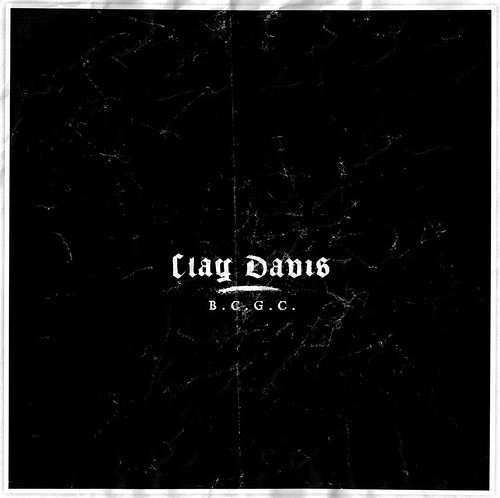
Review of B.C.G.C. by Clay Davis

Band: Clay Davis
Album: B.C.G.C.
Release Date: 11 August 2015
Record Label: Grimoire Records
Buy cassette ($5) or digital ($4) from: Bandcamp
Buy 7″ vinyl ($6) from: Fake Crab Records

B.C.G.C. by Clay Davis

Next week there’s another new release coming from local label Grimoire Records! DCHM writer Buzzo Jr got his hands on a copy and reviewed it, though you can stream the release at the bottom of this post. It comes in a few different formats (listed above) and all are pretty cheap so if you dig it then send them a few bucks and get your very own copy.

Taking their name from the corrupt, profanity spewing senator from The Wire, Baltimore powerviolence two-piece Clay Davis make their full length debut with “B.C.G.C.” As the name of the genre may suggest, powerviolence is a genre that is built upon a foundation of tumultuous anger, furious noise, and relentless aggression, much like the similar genre of grindcore. Clay Davis fully deliver on all of these fronts, putting forth what is one of the best local releases this year so far.

It’s become almost standard nowadays for powerviolence and grindcore bands to either bury the bass in the mix or reject the idea of having a bassist altogether, opting for a drum and guitar setup. Clay Davis does the reverse of this, and instead goes without a guitar and lets the bass do the work. The lack of a guitarist doesn’t hold the sound back at all, with Thor Buntin’s monstrous bass lines and thick sludgy tone pummeling through and doling out incredibly intimidating riffs. The drumming is fantastic, with Mike Barth’s explosive blasts and hyperspeed fills giving a frenzied feel to the songs. Mike also switches up his style on the songs “Hit with a Brick” and “Construct of Ruin,” playing at a much slower pace. These tracks may not be as fast as the the others, but don’t let that fool you into thinking they’re any less intense. If the faster tracks are a series of stab wounds from a butterfly knife, then these slower tracks are a blow to the face with a steel toed boot. Thor and Mike’s alternating vocals go between belted hardcore-style shouting, pained, high pitched shrieking, and deep deathgrind style growls. The variety in the vocal styles keeps the flow going, and prevents the tracks from blending together.

A good description for “B.C.G.C” is that it’s the sonic equivalent of getting beaten down in a seedy alleyway. It’s grimy, filthy, and pissed off. While some listeners may be left wanting more due to the short running time, I personally feel that the short length is what makes it so effective. At only ten minutes long, with tracks averaging just under a minute, this album kicks you square in the teeth and leaves you wondering what the hell just happened. I probably listened to this in full four times back to back, loving it more and more each time. The majority of the tracks on “B.C.G.C” whiz by at an incredibly fast pace, offering the listener little to no room to catch their breath and prepare for the next round of chaos. A track that definitely stood out to me was the humorously titled “Poser Disposer,” which starts out with a great breakdown and then erupts into a full speed barrage of crushing riffs and insane blast beats.

I definitely recommend you pick up this record if you’re a fan powerviolence and grindcore similar to Weekend Nachos and DC’s own Magrudergrind (who are now based out of Brooklyn). Clay Davis’ “B.C.G.C” does not mess around. This album is gritty, vitriolic, and straight up angry. Look no further than right here when you need a soundtrack to getting jumped for your wallet and shoes in Pigtown. There’s a pretty good chance that the first thing out of your mouth upon hearing this record will be senator Davis’s favorite exclamation.

https://soundcloud.com/noel-grimoire-phil/sets/clay-davis-bcgc/s-kCYbF

Review of Black Ocean Waves by King Giant

Band: King Giant
Album: Black Ocean Waves
Release Date: 30 June 2015
Buy on CD ($10) from Big Cartel: Here
Buy mp3s ($7.92) from: iTunes or Amazon

Black Ocean Waves by King Giant

Yesterday locals King Giant released their third album, Black Ocean Waves, which you may have heard previewed at our Metal Night at Fair Winds Brewing back in early May. DCHM writer Buzzo Jr got his hands on an advance copy of the album and below is his take on it. Be sure to check out a couple of the songs on the album at the bottom of the post too!

Pimmit Hills, VA quintet King Giant is back with their third album, Black Ocean Waves. This record is a follow up to their release of Dismal Hollow, released back in 2012. King Giant continues with their familiar brand of southern influenced stoner metal on Black Ocean Waves. Fans of the band will find it does not stray much from the path set by the band’s first two albums, but as the saying goes, “If it ain’t broke, don’t fix it.”

Like their DC counterparts Borracho, King Giant’s sound is deeply rooted in the blues, and boasts tons of great guitar work. Todd Ingram (also of Sixty Watt Shaman) and David Kowalski make an excellent team here, with their guitars churning out heavy riffs filled with that southern groove, and vibrant solos that compliment the darker parts of the album’s sound. Todd and David often change the pace of their playing on the record, going from mid paced stomps on “Red Skies” and “Blood of the Lamb” to faster paced gallops like on the song “Trail of Thorns.” The basslines are unfortunately lacking in effect, often being just barely audible over the rest of the band. This is kind of disappointing, seeing as one of the reasons I love stoner metal is how much the bands utilize the bass guitar. The drums make up for this however, with Keith Brooks laying down beats that are somehow laid back and energetic at the same time. While relatively simple, the drumming on the album works well by adding to the swampy atmosphere of the record.

The part of this album that stands out the most here are the vocals. Dave Hammerly’s vocal style has been compared to Glenn Danzig’s style of singing and while the resemblance is undeniable, Dave manages to make the style his own. With his brash, bellowing shouts, and his deep drawls, he brings the record to life by encapsulating the sounds of the filthy south, perfectly meshing with the rest of the elements on the album. Like most music based in the blues, Black Ocean Waves is filled with emotion. Each track has its own tale, whether it be anger and lament towards past addictions on “Requiem for a Drunkard,” perilous journeys at sea on “Red Skies,” or mournful farewells to loved ones on “There Were Bells.” The album’s overall mood is far more melancholy than your standard stoner rock release, but that’s also what makes this album stand out among every other stoner album that’s been released this year. The brilliant mix of catchiness and grit culminates in a fantastic album that is one part Black Sabbath with its doomy riffs, and one part Lynyrd Skynyrd with its melodic twin guitar lines. A standout track for me on this album was one of the album’s most aggressive songs; “The One that God forgot to Save.” The track showcases some of the best drumming on the album, and Hammerly at his most intense; belting out lyrics like a madman.

King Giant don’t reinvent the wheel with Black Ocean Waves but they do bring forth a great record comprised of heavy riffs, soul, and attitude. If you like loud stoner rock with a southern twinge, don’t miss out on this record.

Review of Tales From The Thousand Lakes by Amorphis

Band: Amorphis
Album: Tales From The Thousand Lakes
Release Date: 1 September 1994
Record Label: Relapse Records
Performing at Maryland Deathfest XIII: 9:50 Sunday at Edison Lot B

Cover of Tales From The Thousand Lakes by Amorphis

Amorphis is the headliner for the final day of this year’s Maryland Deathfest. While we usually try to review albums by bands playing MDF that people might not know yet, this is an exception because Amorphis will actually be playing this entire album as their set at MDF. Tales from the Thousand Lakes is based on the Finnish epic poem, the Kalevala, and it just so happens DCHM writer Tal is a Finn with a knack for historical context. You (hopefully) already know the great songs on this classic metal album, but here Tal does an excellent job explaining the back story and how it relates to the music as well. You can read more of Tal’s writing on his blog In My Winter Castle. So continue to get ready for Maryland Deathfest XIII with us (this year’s MDF Survival Guide should be up Monday!) and don’t forget to check out the tunes at the end of the post as well!

During their set headlining the Edison Lot on Sunday, May 24, Amorphis will be playing the entirety of their influential album Tales from the Thousand Lakes. This exclusive appearance will also be their first U.S. performance since a one-off show with Nightwish in 2012; they haven’t actually toured the U.S. since 2008. Having missed them at Tuska Fest in Helsinki, Finland in 2011, I’m glad for another chance to see them live.

Released in 1994, Tales from the Thousand Lakes was Amorphis’s second full-length album and was a game changer for death metal, bringing more melodic and doomy elements into the genre. I owe a hitherto unacknowledged debt of gratitude to Amorphis and this album, seeing as my favorite genre is melodic death/doom. Yet my exposure to Amorphis has been fairly sporadic. When the mood strikes me for something sad, beautiful and heavy that will lift me up by dragging me down, I usually reach for Insomnium or Swallow The Sun, or perhaps Doom:VS or Katatonia’s Brave Murder Day if I really want to bring on the moping. Amorphis never really occurred to me as that sort of band. The Amorphis I’d heard was that of “Silent Waters” or “House of Sleep” – melodic and beautiful to be sure, and heavy, but more in a rock than a death metal way, and sad to a point, but not quite as mournful or gloomy as the lovely misery that I craved.

Tales from the Thousand Lakes doesn’t really plumb the depths of doom, either – after all, it’s based on Finland’s “national epic,” the Kalevala, so it has more of a magical and mystical vibe than a funeral one. Magic and mysticism with heavy, distorted guitars and death growls, that is – but that’s pretty suitable, seeing as Finland is not only the land of the midnight sun, but also of black winter days. The Kalevala is not the happiest of epics, either. The central hero, Väinämöinen, doesn’t get the girl, nor the magical item that he seeks, and basically leaves the world in disgust at the end of the story. However, he does leave his people with his greatest legacy, the kantele — a type of zither whose delicate, melancholy notes are the perfect accompaniment for extolling one’s sorrows in song, as Finnish folk songs are wont to do.

As one of the first metal albums devoted to the Kalevala, Tales from the Thousand Lakes was also among the founding albums of the folk metal genre. The Kalevala is a collection of folk songs gathered by the doctor and scholar Elias Lönnrot from the Karelia region, and the best-known version was published in 1849. His work (and others’ around the same period) not only preserved a vast body of folklore that was quickly being lost as newer entertainments gained ground, but was also intended to fuel Finnish nationalism, laying the groundwork for Finland’s struggle for independence from Russia. The epic tells of the creation of the world from a duck egg; the birth of the shaman Väinämöinen, who creates trees and other forms of life; his struggle with various adversaries, most notably Louhi, a witch who rules the northerly land of Pohjola; his constantly thwarted quests for a wife (“Drowned Maid” tells of Aino, sister of Väinämöinen’s enemy Joukahainen, who drowns herself rather than marry Väinämöinen); and of course, his creation of the kantele. Some other notables are the smith Ilmarinen, who forges the mysterious magical Sampo; the mischievous Lemminkäinen, who gets in so much trouble that he has to be brought back from the dead at least once (“Into Hiding” is about Lemminkäinen’s escape from Louhi’s clutches); and the miserable Kullervo, who is separated from his family and eventually commits suicide after realizing he seduced his long-lost sister.

Amorphis directly excerpts parts of the Kalevala, from the 1989 translation by Keith Bosley, as lyrics for most of the songs on Tales from the Thousand Lakes. For instance, “Black Winter Day” is the Maiden of the North telling of her sorrow as she must leave Pohjola to wed the smith Ilmarinen. The bride’s sorrow is a common theme in Finnish folk music, as she is separated from her family and will see them again only rarely, and must leave behind carefree childhood for the burdens of adulthood. It makes for a great doomy song. “This is how the lucky feel / How the blessed think / Like daybreak in spring / The sun on a spring morning,” the maiden begins. And yet, she cannot feel happy.

But how do I feel
In my gloomy depths?
A black winter day
No, darker than that
Gloomier than an autumn night

For someone who doesn’t know the origins of the lyrics, it seems like a song about depression – I should feel happy, yet I can’t. As a feeling that many metalheads can relate to, this may be part of the appeal of this song, which is probably the most popular one from the album, and certainly my personal favorite. Another part of the song’s appeal is surely the confluence of melody and heaviness, doom and death metal, in this song. A melody that is at once mournful and bright swirls around the listener, underpinning the whole song, and contrasting with the low growled vocals and drearily plodding guitars and drums, like the maiden dragging her feet as she walks to Ilmarinen’s sled, unable to feel happy on what should be a joyous occasion.

The album pioneered the use of such melodic and doomy elements in death metal, laying the groundwork for a whole new subgenre of metal. Tales from the Thousand Lakes was one of the first death metal albums to use a keyboard or synthesizer so extensively, and it’s very effective in creating a magical and haunting atmosphere. The album starts off with a keyboard intro that sets the doomy and melancholy mood, and then adds some synthesized voices, tinkling sounds and bells that give a sense of mystery and grandeur. While keyboards are featured in all of the songs, they come to prominence in a few places. In the middle of “Drowned Maid,” they add orchestral feel and drama. And in the second half of “Magic and Mayhem,” there’s a chiptune-like segment that seems out of place at first, it’s so antithetical to death metal and at odds with the alternating doomy or buzzsaw riffs that preceded it, but when it’s played over the death metal riffs and harsh vocals for a few seconds at the end of the song, it works well, adding an extra bit of frenzy.

Many of the songs feature shifts in tempo and mood. This is most apparent in the song “Forgotten Sunrise,” which goes from a melancholy doomy intro, to a more energetic and melodic sound, then a low and churning death metal sound once the vocals begin, followed by a psychedelic synth segment in the middle, and then continuing to alternate upbeat melodic parts and low churning parts till the end. Considering that they were doing something brand new at the time, mixing melody, doom and other influences into death metal, it’s not surprising that they jump from one sound to another. There’s a sort of swirling, mystical sound to the doomier guitars and the keyboards that ties the whole album together. The song “The Castaway,” which tells of Väinämöinen floating on the sea after being defeated by Joukahainen, is dominated by this sound. The rising and falling lead guitar and keyboard evoke the surging of waters of the sea, as well as the circling of the eagle who comes to rescue him. Although later bands combining death and doom plunged heavily in the direction of melancholy, Amorphis’s foray in this direction remains unique in its exploration of mystery and magic.

Last year marked the 20th anniversary of the release of Tales from the Thousand Lakes, which is no doubt why Amorphis is playing the entire album at MDF – they embarked on a short tour doing the same last December. On the band’s website, Esa Holopainen (lead guitar) remarks, “The years have flown by, and it feels great to notice that the tooth of time has not diminished the value of the album, nor the popularity of its songs when performed live. ‘Black Winter Day,’ ‘The Castaway,’ ‘Into Hiding’ and ‘In The Beginning’ are still part of almost every Amorphis gig. Although we have played these songs hundreds of times, it is still as exciting as ever to see the joy in people’s faces and the sheer emotion evoked by, for example, the piano intro of ‘Black Winter Day.’”

Clearly, just as the epic it’s based on stands out in my country’s history, so Tales from the Thousand Lakes holds a special place not just in the history of metal, but also the hearts of the band and their fans. Don’t miss these ten songs, brought together as an epic in the book of heavy metal, at this year’s MDF.

Black Winter Day:

Drowned Maid:
http://www.youtube.com/watch?v=zTfhqrUlYDE

The Castaway (live):

Review of Stratagem by Fulgora

Band: Fulgora
Album: Stratagem
Release Date: 24 March 2015
Record Label: Housecore Records
Performing at Maryland Deathfest XIII: 12:15pm Saturday at Edison Lot B

Cover of Stratagem by Fulgora

Maryland Deathfest is almost here and that means we’re beginning our coverage of MDF XIII. And since everyone keeps asking me, yes, our annual unofficial Maryland Deathefest Survival Guide will be back again this year, ETA on that is Monday, May 18th. But first I’ve asked my writers to pick a few albums by bands playing the fest that may have been over looked and deserve more attention. First up is this piece by Buzzo Jr. about the debut album by Fulgora. Read it and start getting pumped for this year’s Deathfest, it’s almost here!

Fulgora is a deathgrind band from St Louis, Missouri, that formed in 2012, and as you may already know, the band features locals Adam Jarvis from Pig Destroyer and Misery Index on drums, and his cousin John Jarvis from Pig Destroyer and Agoraphobic Nosebleed on bass. On top of that, Fulgora also features John “Sparky” Voyles, formerly of Dying Fetus and Misery Index, on guitar. That pedigree alone should reassure you that these guys know what they’re doing when it comes to good deathgrind. Phil Anselmo even liked them enough to sign them to his record label, Housecore Records. For those of you wondering what “Fulgora” actually means, it’s the name for the goddess of lightning in Roman mythology. They’ve played the area a few times before, and even had their first live show at the Ottobar in Baltimore last year, but their upcoming performance Maryland Deathfest XIII is sure to be the biggest show they play in the DMV area this year. Fulgora will be the first band to play on Saturday, taking the stage at the Edison Lot at 12:15pm.

When it comes to the music on Stratagem, what we have is some fairly standard, albeit great quality, deathgrind. The riffs are very reminiscent of local band Misery Index; full of furious grooves that pack a mean punch. The drumming is top notch as well, with Adam Jarvis showcasing his trademark style full of lightning fast complex drum fills and vicious blast beats. The element that sets Fulgora apart from most other deathgrind bands however are the vocals. Unlike the usual affair of low end growls, the vocals here are much more in the realm of hardcore influenced shouts. It’s refreshing to see more metal bands embrace their hardcore roots like this, and it definitely makes Fulgora stand out among other bands. Two of my favorite tracks on the album are “Splinter” and “Crutch.” These tracks are more mid-paced than the other songs on the album, with both of them featuring devastatingly heavy riffs and some great hardcore influenced breakdowns. (The music video for “Splinter” is pretty NSFW by the way.) One drawback is that this album is extremely short, even for hardcore/deathgrind standards. The album has seven tracks and lasts only around 20 minutes. Two of those tracks are audio samples; the first one from the movie Scanners at the beginning of the album, the second one is a quote from the late journalist Christopher Hitchens at the midway point. Hopefully they will play some new material during their set at the Edison Lot. I’m really looking forward to catching their set, since the video I saw of their performance at Housecore Horror Film Festival shows that they put on a hell of a show.

If you’re a fan of pissed-off deathgrind and hardcore, then Fulgora are right up your alley. The pummeling riffs combined with frantic blast beats and those Hatebreed-esq vocals are guaranteed to get the mosh pits started early at the Edison Lot, so make sure to get over there in time to catch them play Saturday at this year’s Maryland Deathfest!

Splinter:

Meridian:
http://www.youtube.com/watch?v=sCZ3X5nQZAE

Live at Housecore Horror Festival: