This blog specializes in heavy metal music and how it relates to Washington DC and the surrounding area. Featuring info on upcoming metal concerts in Washington DC, Baltimore and Virginia, as well as info on local bands, area concert venues, reviews of live gigs, and lots of give aways.
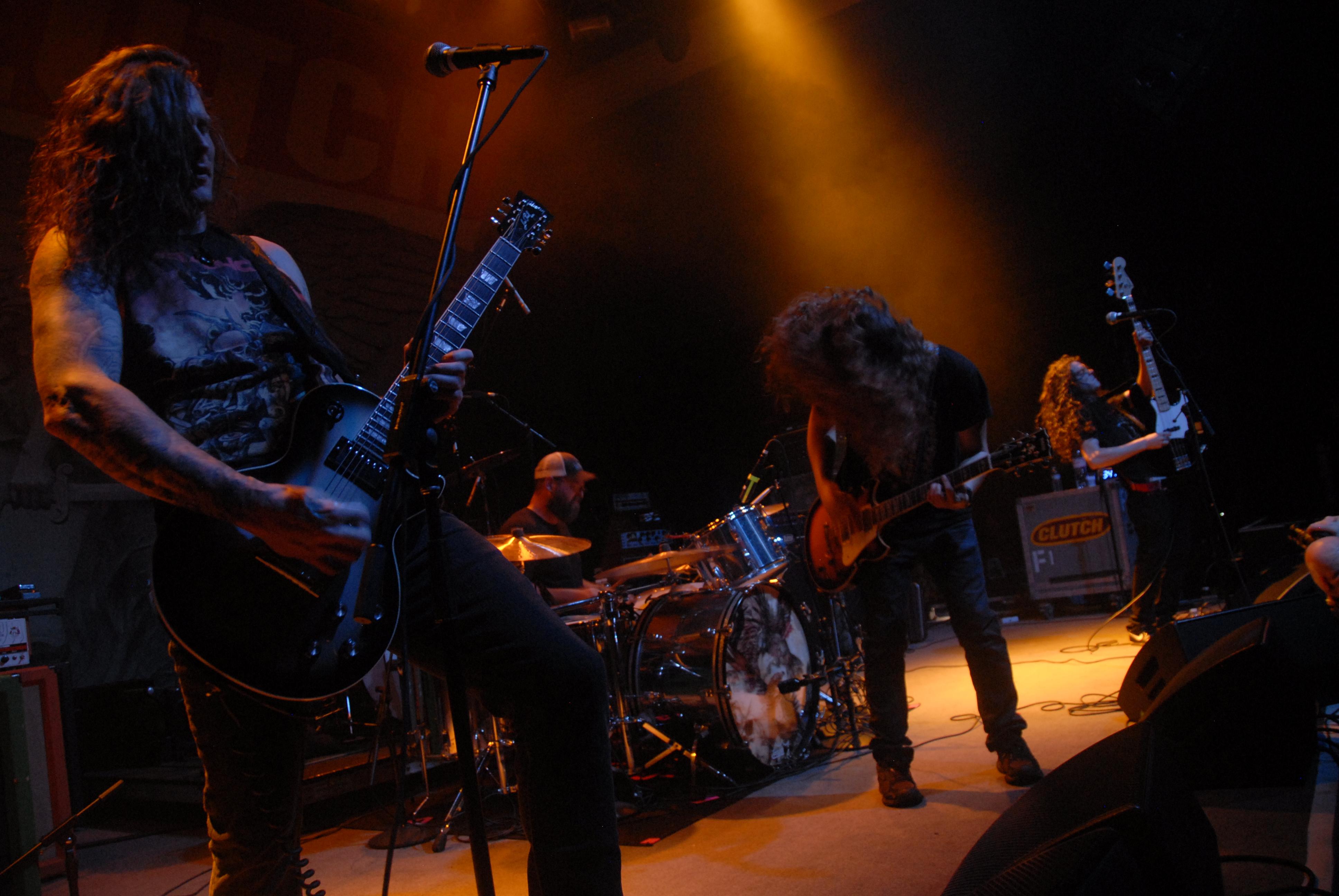
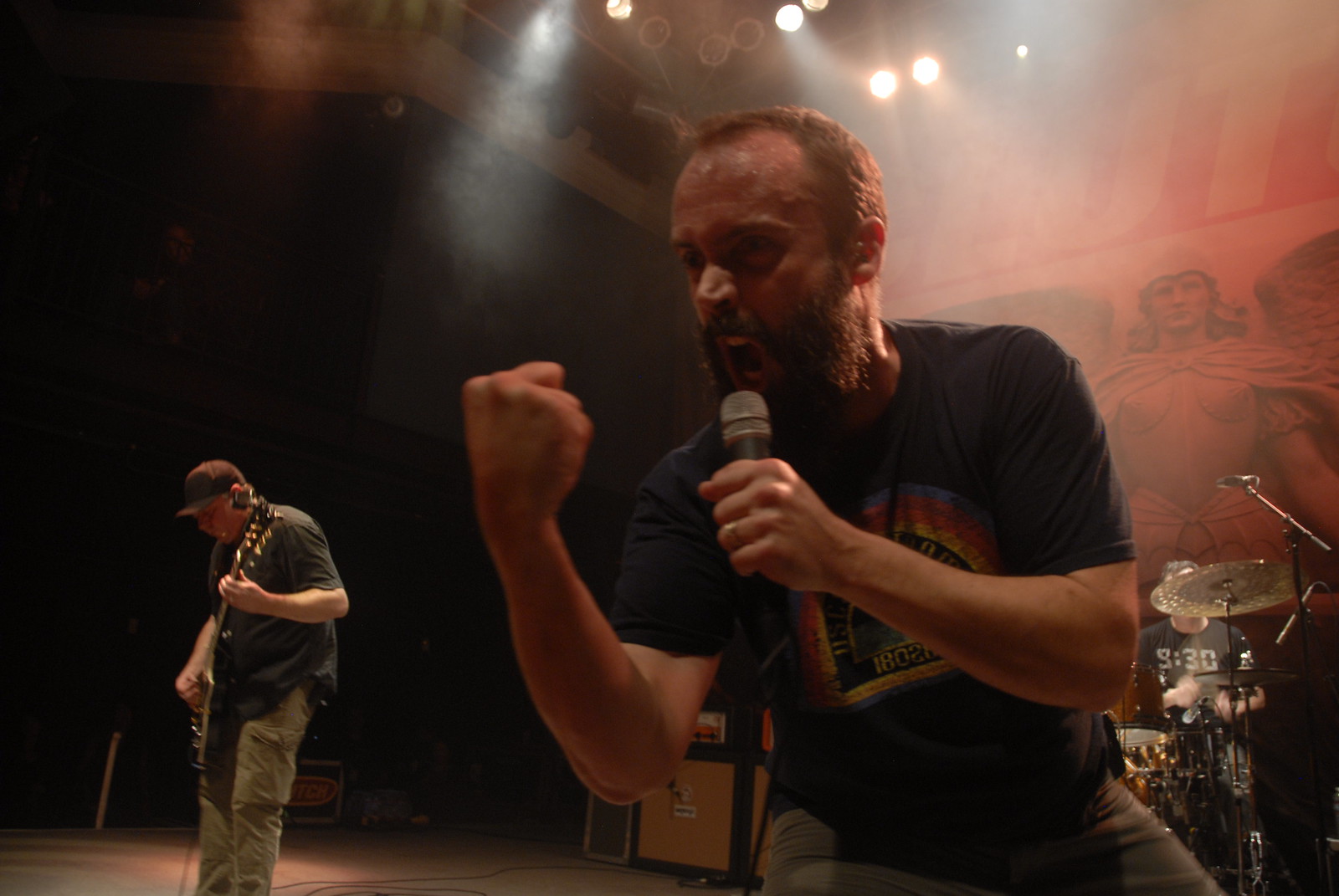
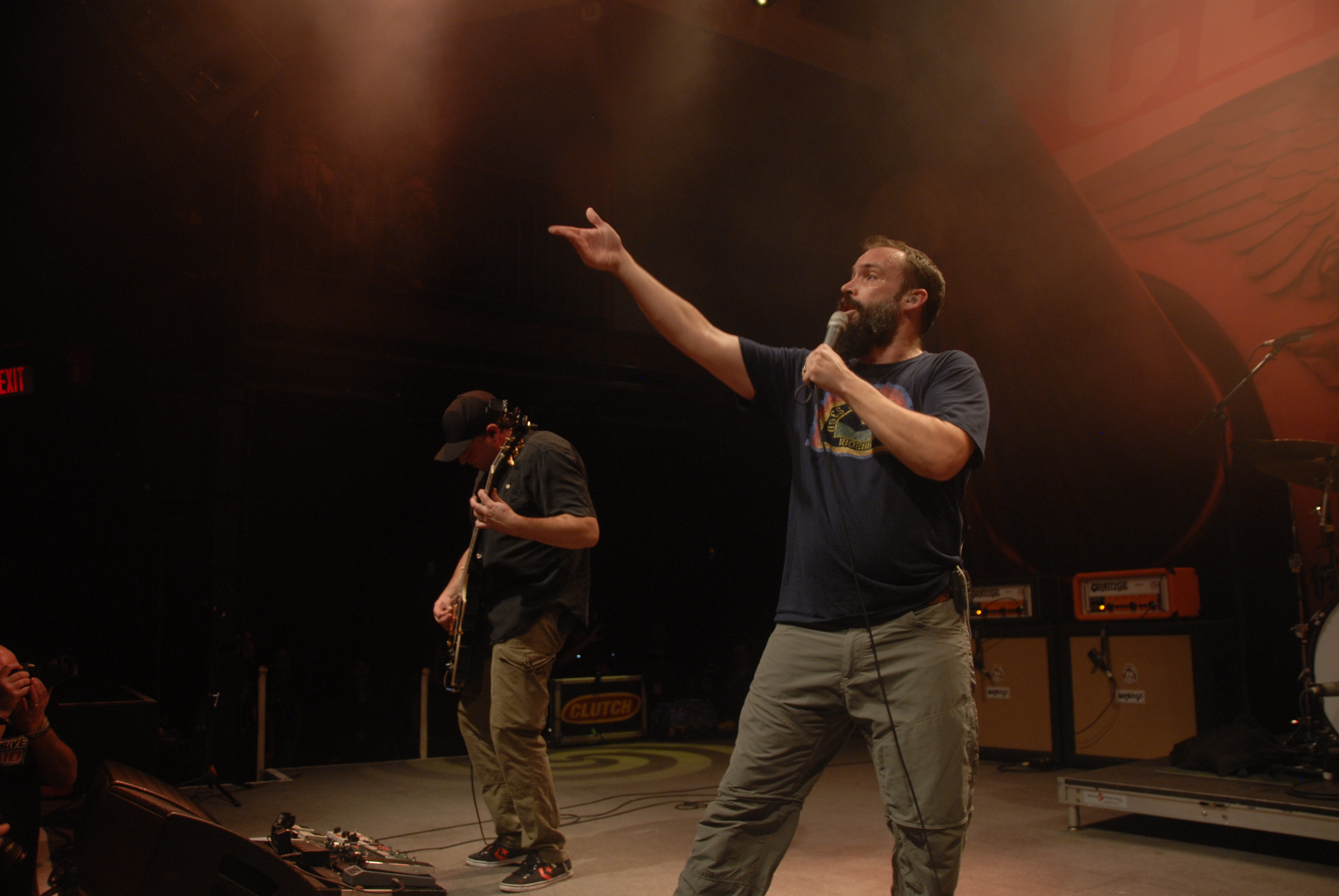
Well all our year end posts have put me a bit behind on things but better late than never I suppose. On Sunday, December 27th I was at the 9:30 Club to see Clutch play along with Crobot and Valkyrie. There was a film crew there so it is very likely that this show, or at least parts of it, could wind up on a future Clutch video.
I got there early to make sure I could catch Valkyrie. The band is from Harrisonburg, Virginia, and is probably best known for sharing a guitarist with the band Baroness, Pete Adams. However it is Pete’s brother Jake Adams that is the driving force behind Valkyrie. The band’s sound is steeped in the hills of the Blue Ridge Mountains with Jake’s vocals often pausing for several extended dueling guitar solos between the Adams brothers. Riffs abound and the chemistry between the brothers is as apparent as the fun they were having while performing on the 9:30 Club’s big stage. These guys have been something of a regional secret and it’s about time the word gets out about them. Hopefully this winter mini tour with Clutch will lead to bigger and better things for them.
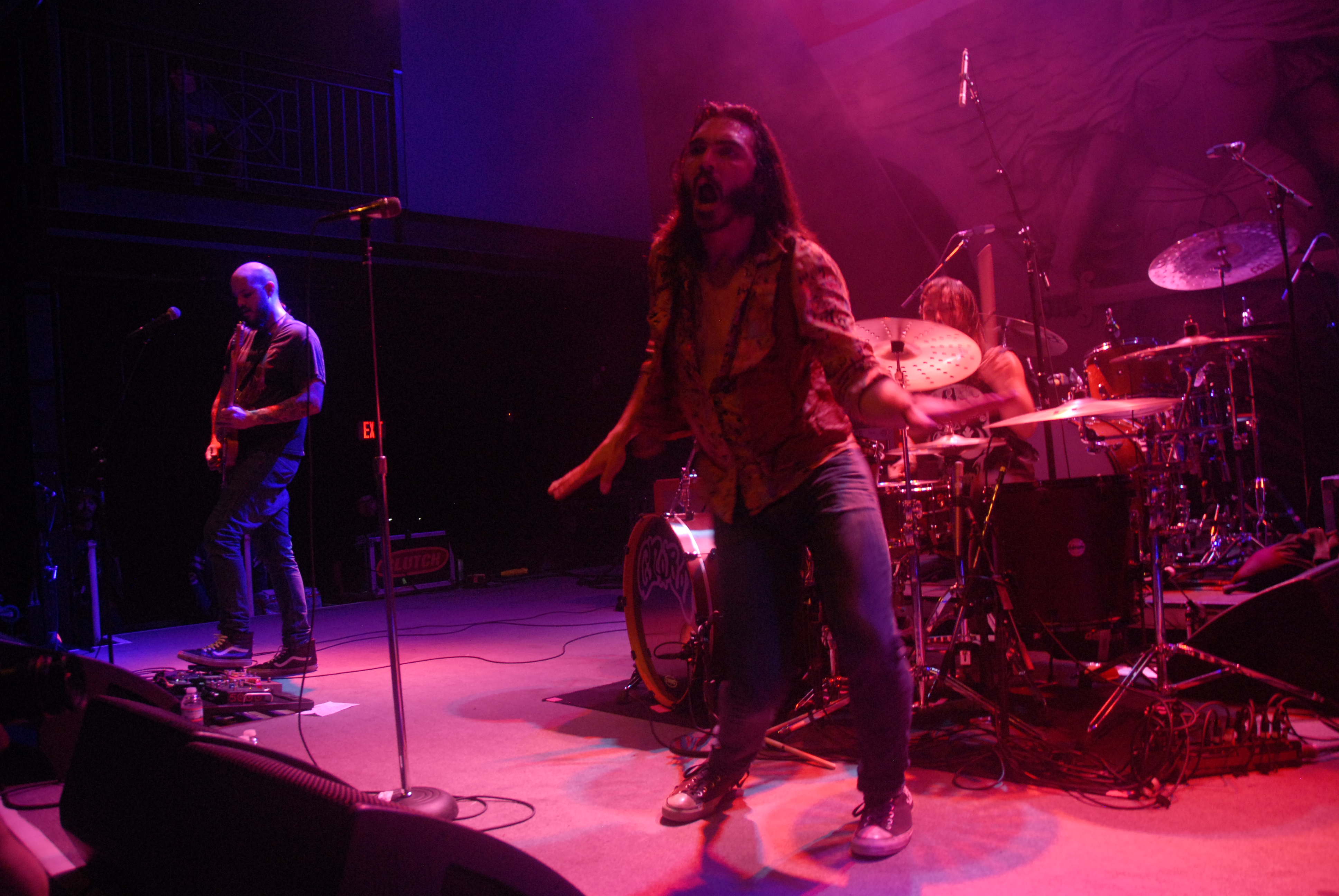
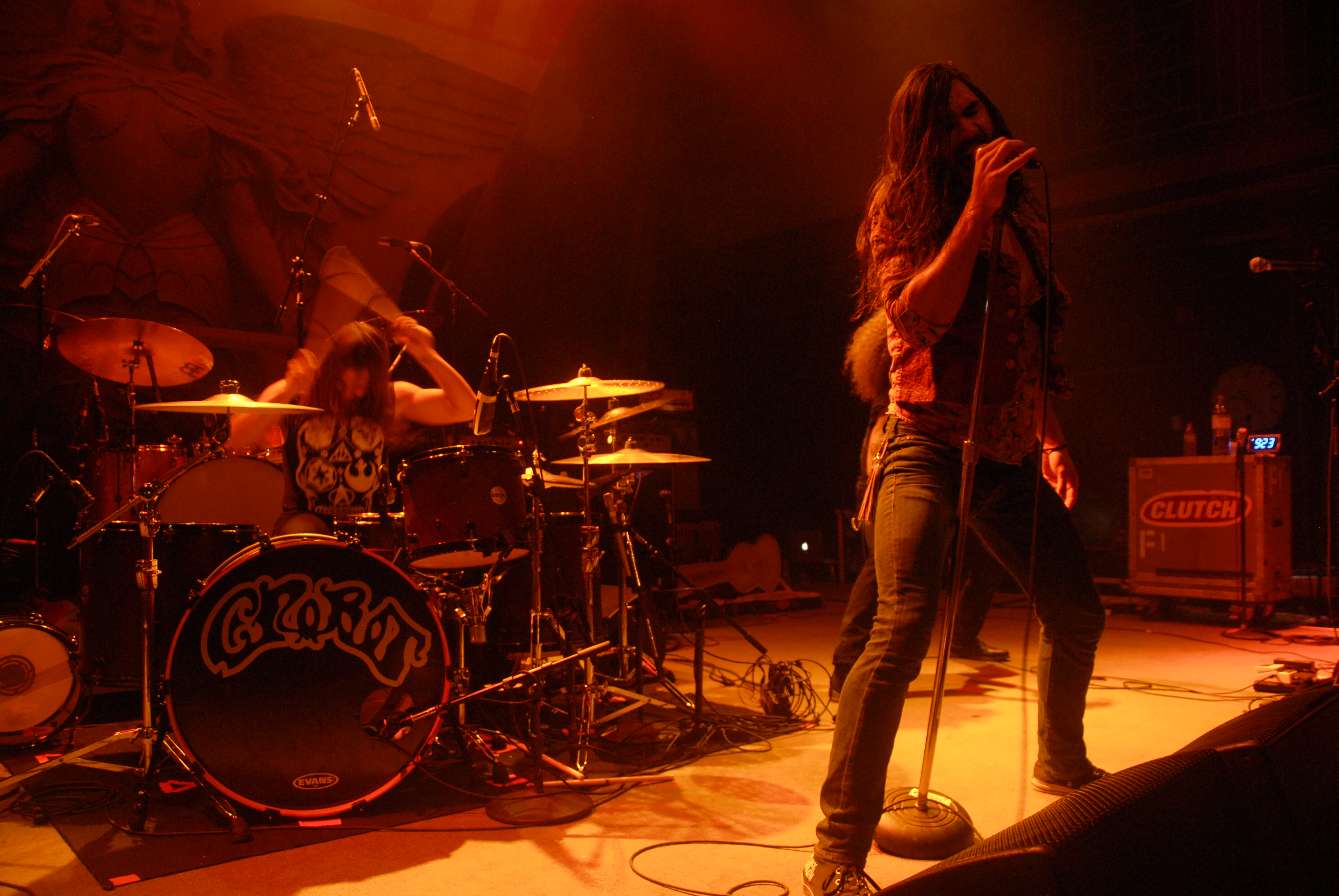
The next band to play was Crobot from Pottsville, Pennsylvania. They’re a relatively new band, having formed in 2011, though they obviously see themselves as some sort of 70s throwback band. I’m generally ok with throwback bands but I’ve got to admit these guys just didn’t do it for me. I found their songs overly simple and the vocalist, Brandon Yeagley, was running around on stage striking poses like a coked up Steven Tyler. His voice was reminiscent of Geddy Lee, which is probably a good thing to some and bad thing to others, but honestly his stage presence was so annoying I quickly lost interest in not just him but the entire band.
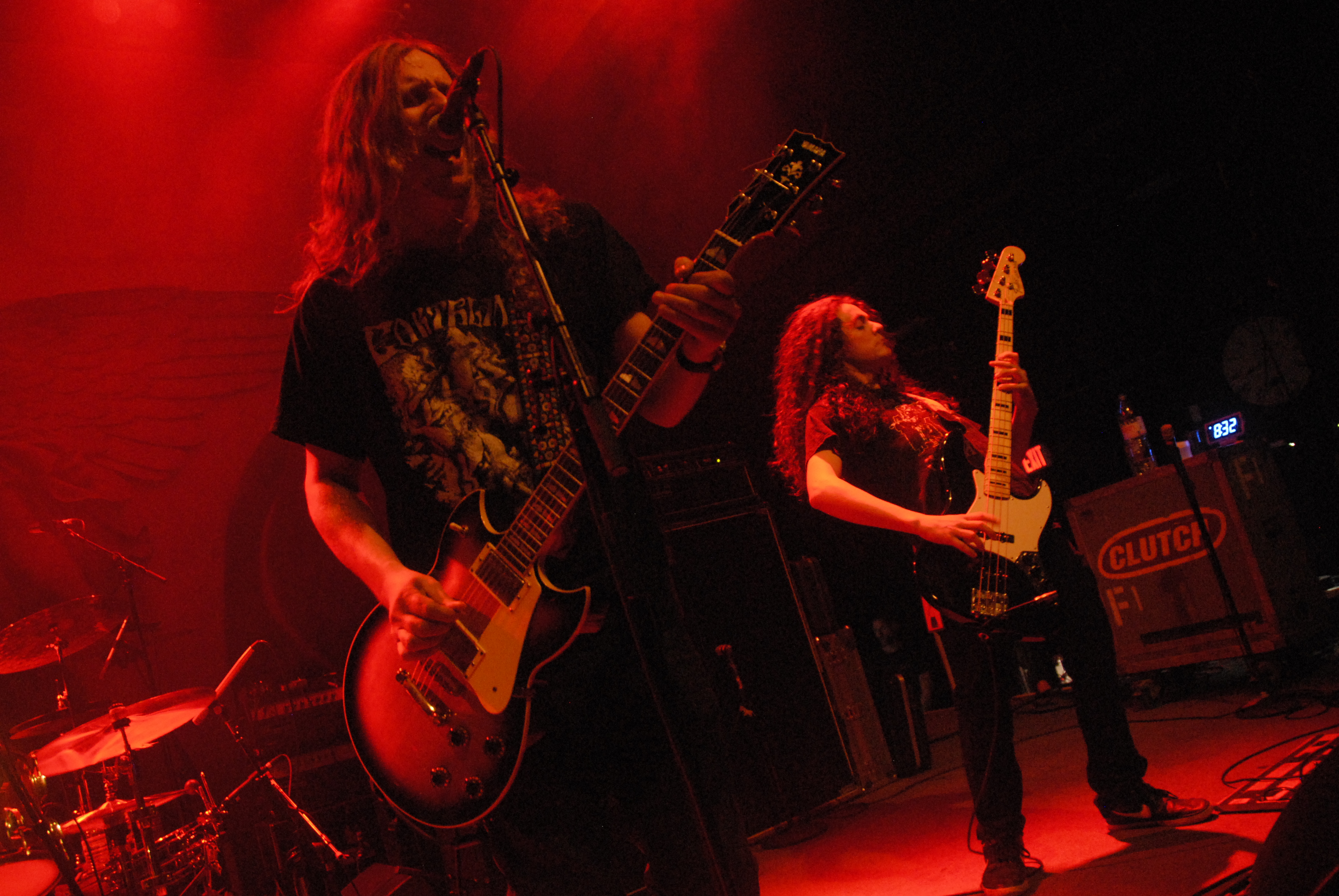
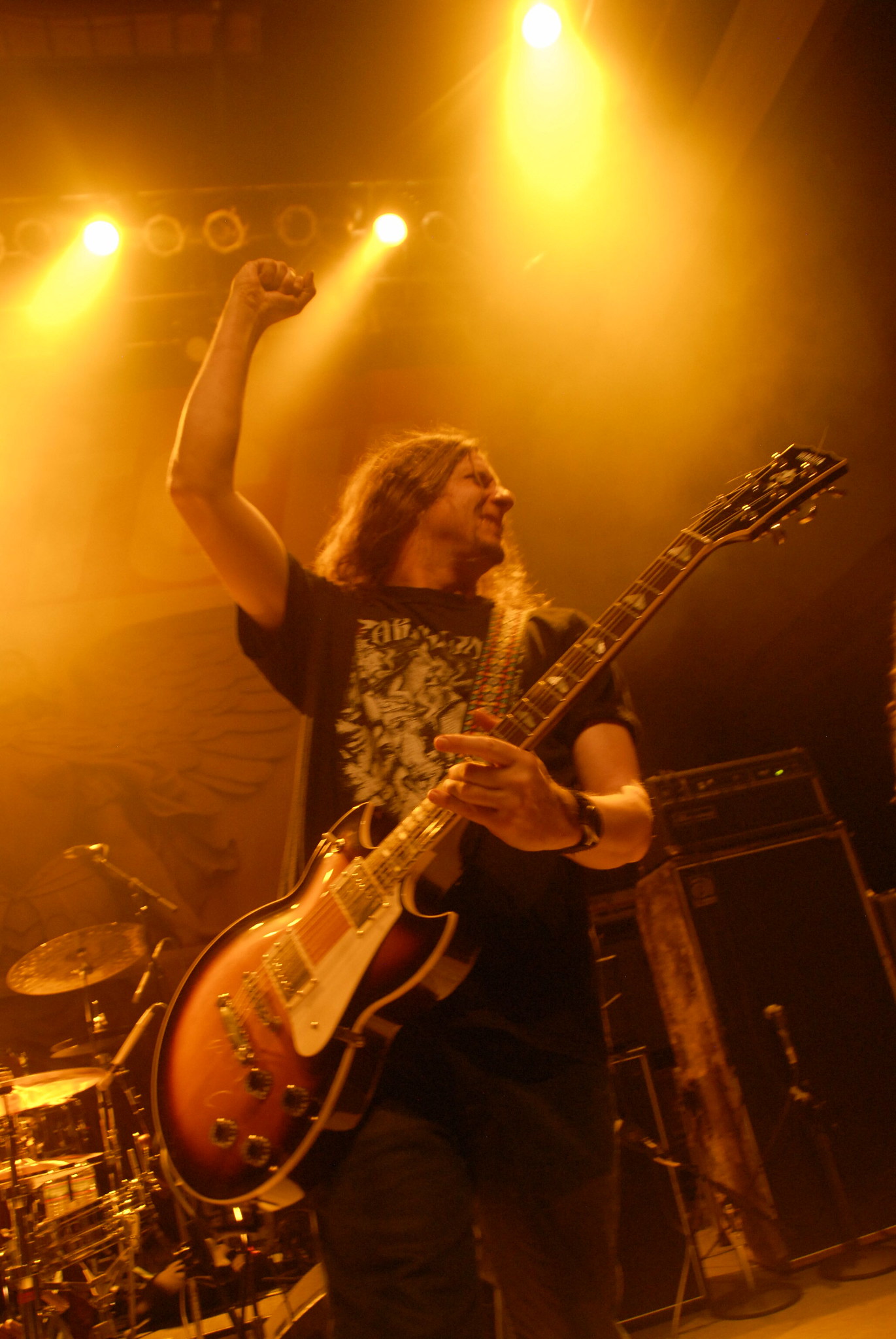
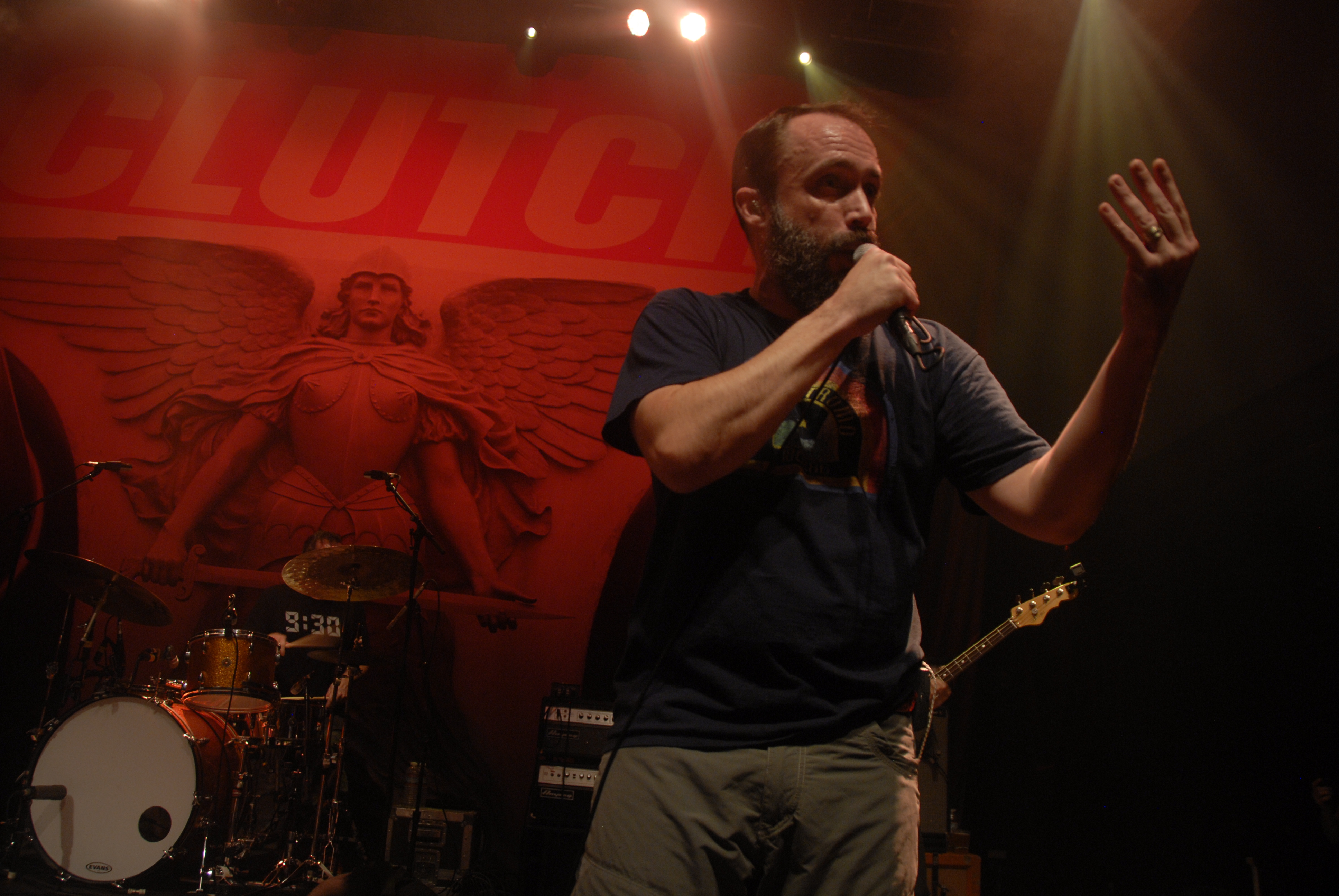
Finally it was time for local favorites Clutch! This was the first time the Germantown, Maryland, based band would play to a local audience since the release of their latest album, Psychic Warfare, back in October. The album was well received and Clutch played the entire album throughout the course of the night, though not in order. A giant sized banner with the new album’s cover artwork hung behind Clutch while they performed their new songs with some older tunes thrown in throughout as well, and what a performance it was! The band hit the stage hot and seemed to fly through their set list without a whole lot of talking between songs. Clutch has really perfected their sound and live performance over the years and shows like this one make it obvious that they aren’t slowing down any time soon. Many bands at this stage of their careers start to lose a step or three but Clutch seems to only be getting better. It’s a rare quality that makes their energetic live shows special every time they play to their home crowd here in DC.
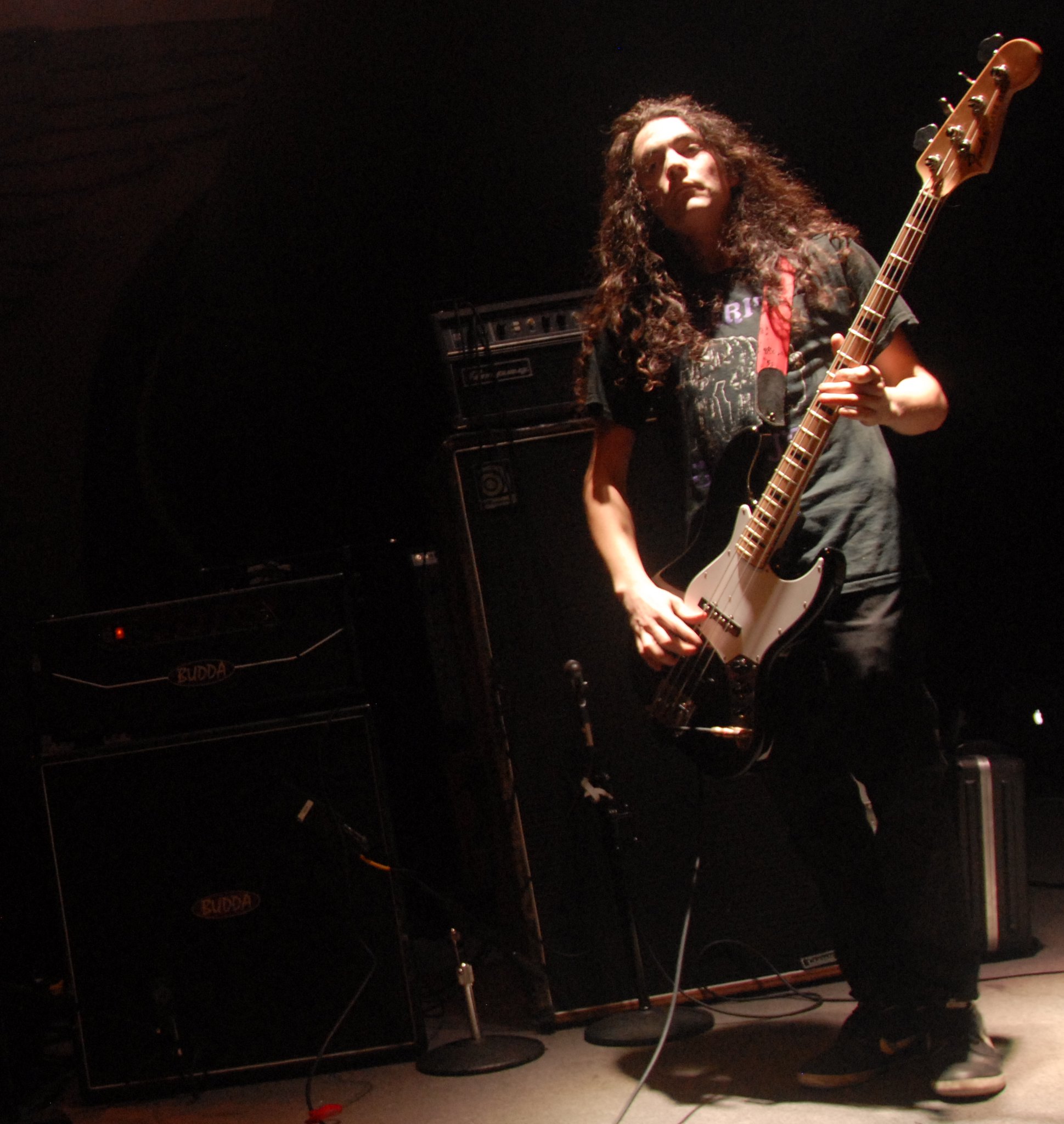
Below are my shots of the bands that night, you can click on any of them to see them full sized.
Band: Clutch Album: Psychic Warfare Release Date: 2 October 2015 Record Label: Weathermaker Music Buy CD ($9.79) or digital ($9.49) from:Amazon
Clutch has come a long way since their days on a major label. They show no signs of slowing down now that they release their albums through their own label, Weathermaker Music. DCHM writer Buzzo Jr breaks down the blue collar heroes’ latest call to arms in the following review of Psychic Warfare. Be sure to check out the music video at the end of this post.
For over 20 years Clutch has built up a dedicated cult following in the DMV area and beyond with their hard hitting brand of rock n roll. Now Maryland’s favorite band is back with their eleventh album Psychic Warfare, the much anticipated follow up to the immensely successful Earth Rocker from 2013. Like their previous album, Psychic Warfare is jam packed with high energy, blues driven stoner rock that’s begging to be played loud and is sure to get your head banging.
After a short intro track entitled “The Affidavit,” where frontman Neil Fallon’s deep voice asks the listener to take a seat and “Just start from the beginning,” the album gets off to a powerful start with “X-Ray Visions” which is filled to the brim with groovy riffs and hard hitting drum beats. The next track, “Firebirds,” is a song with an unbelievably catchy chorus aided in no small part by Neil Fallon’s fantastic vocals. Fallon is arguably one of the most charismatic and talented frontmen in music right now, with his deep, bellowing vocals and imaginative lyrics. His singing gives every song on the record its own sense of character; its own unique feel. Clutch start showing off their blues influences on the track “A Quick Death in Texas.” The blues laden riffs give off an undeniable ZZ Top vibe, but at the same time guitarist Tim Sult manages to inject his own style into the mix, perfectly blending melodic soloing with just enough grittiness in the riffs to ensure that at the end of the day it still sounds like a Clutch song. Tracks like “Sucker for the Witch” and “Your Love is Incarceration” has bassist Dan Maines utilizing his skills by laying down some infectiously funky bass lines that work in flawless unison with Sult’s guitar work. Fallon’s aforementioned lyricism is front and center during these two tracks, with great lines such as “It goes against my Catholic upbringing, I admit it, I’m a sucker for the witch!” or “As to the charges of gettin’ it down, Hey! Before the court, how do you plead? As to the charges that are laid before me: I confess, I am guilty in the first degree!” that are prime material for the crowds to chant along with the first time these tracks are played live.
The album comes to a slow interlude with “Doom Saloon;” an atmospheric instrumental reminiscent of the western inspired tunes on Earth’s album Hex; or Printing in the Infernal Method. The instrumental flows seamlessly into the beautiful “Our Lady of Electric Light.” The track is almost melancholy sounding with its slow tempos and clean melodies, and showcases Fallon’s vocal range by having him hold back his usual booming hollers in exchange for a reserved, southern croon. The tempo soon gets back into overdrive however with “Noble Savage.” Definitely the fastest song on “Psychic Warfare,” the track has the band playing at top speed with Fallon belting out lyrics like the life of his almighty beard depended on it, Sult letting solo after solo come loose, and Jean Paul Gaster beating his drum kit like it owes him money. JP’s drumming is the final piece of the puzzle that makes Clutch who they are. His drumming manages to work in influences from the area’s past music scenes such as the speedy kick pedal work found in the DC hardcore scene, and the simple yet effective beats found in gogo music. The next two tracks “Behold the Colossus” and “Decapitation Blues” continue on with the same great quality found on previous songs, with plenty of groovy riffs and foot stomping beats continuing to drive the album forward. Finally the stage is set for the closing track “Son of Virginia.” Clocking in at seven minutes in length, it’s their second longest track ever, surpassed only by the twelve minute “Dragonfly” from their Elephant Riders album which was released back in 1998. “Son of Virginia” is definitely what one would call an epic; starting out with a clean, southern tinged guitar line working in unison with Fallon’s ever so powerful voice that soon builds up into a tumultuous cascade of riffs and deep bluesy bellows, leaving us with the parting words of the album repeated as if it were a form of mantra: “Truly we are living in an age of wonder.”
While I think this album falls a bit short of Earth Rocker in terms of overall memorability, Clutch’s newest output is still one of the best records I’ve heard all year, from a local band or otherwise. Whether you’re already a fellow Clutch fan or this is your first time hearing about them, I highly recommend this to you either way. I can say with absolute certainty that I’m going to have Psychic Warfare playing on repeat for a good amount of time. And then probably Clutch’s entire discography. Pick up Psychic Warfare and turn up those speakers, because you’re in for a damn good time.
Band: Isenmor Album: Land of the Setting Sun Release Date: 21 June 2015 Buy CD ($7) or digital ($5) from:Bandcamp
Folk metal is starting to get a foothold in our area. European folk bands have been coming through on their tours for years but we’re starting to see some local folk metal bands pop up. DCHM writer Tal has put together this thorough review of the debut release by one of these bands, Isenmor. You can stream a few tracks at the bottom of this post and listen while you read. You can also check out Tal’s blog In My Winter Castle for more of his writing.
Isenmor, of Savage, Maryland, is the second folk metal band to spring up in the greater DC area in recent years (after Baltimore’s Sekengard). On June 21, Isenmor released a surprisingly mature debut EP (considering that the band was formed a little over a year prior) titled Land of the Setting Sun.
The album title refers to the band’s “Vinlandic” identity. What grounds could a band in the “New World” have for performing European folk music? Well, the Vikings once sailed west into the setting sun and explored the place we now call North America; they called it Vinland. Isenmor takes their inspiration from this to perform Old World music mixed with modern metal, using Viking and Germanic themes. The band’s name, Isenmor, means “iron wasteland” in Old English, and according to vocalist and violinist Nick Schneider, refers to the aftermath of battle, with broken and discarded weapons strewn all about. And I guess that’s fitting since the first two songs on the EP are about the results of battle – death, and the funeral pyre. The lyrics draw on a mix of Germanic and Norse inspirations — while they sing about Wodan and Donar instead of their Norse counterparts Odin and Thor, they also quote from the Viking poem Hávamál (“cattle die, kinsmen die…”). Their sound, meanwhile, is dominated by the two violins (and a viola, according to the credits), which weave folky melodies with English and Celtic inspirations.
The violin-playing is probably the most proficient and appealing part of the EP. The rest of it is enthusiastic and interesting enough, but can’t help sounding a bit amateurish — there’s an unpolished feel to the clean vocals, and a kind of fuzzy sound to the guitars. Of course, this is the self-produced first release of a new band, so an unrefined sound can be forgiven. And some of the roughness may also be purposeful, such as the sawing and scraping of the violin in many parts – a sound which I actually find not unpleasant. Korpiklaani has a similarly scratchy sound to the violin on their first album, Spirit of the Forest, and it gives that album a coarse, earthy feel, which seems fitting for the genre. It makes it really feel like folk, the music of the people.
It took me a few listens to get into Isenmor’s album, possibly partly due to the unpolished sound, but now I love this release. Beneath the violins, there’s a good deal of black metal sound and influence — waves of atmospheric, tremolo-y guitar, screamed vocals delivered at high speed by Nick Schneider. That isn’t all, though; there are also chugging death metal riffs in “Land of the Setting Sun,” thick, heavy-hearted doomy guitar in “So Willingly Deceived,” and furious riffage à la Swedish melodeath in “The Old Mead Hall.” The vocals on the album are also highly varied — besides the screamed vocals, there are also clean vocals by several different band members, grandiose choruses sung by almost the whole band together, and raspy harsh vocals done by Tim Regan (who is also the guitarist). The album begins aggressively, with an energetic violin melody, blastbeats, and an extended scream starting the furious first song, “Death is a Fine Companion,” but most of the album goes at a much slower pace.
My favorite song is one of the slow ones, actually: “So Willingly Deceived,” which is about the conversion of the heathens to Christianity. I have to admit, I probably connected to this song so strongly because it reminded me of the Saxon Stories books by Bernard Cornwell, whose protagonist, Uhtred of Bebbanburg, is a Saxon lord in 9th century England who resists being converted to Christianity. That connection made the sorrowful keyboard and violin melody especially poignant, the verses praising the pagan gods more grandiose, and the anguish of the verses about those who were “willingly deceived” more real. The melody and vocals are underpinned by doomy guitar, long distorted tones during the verses and disconsolate chugging during the violin bridges, which heightens the sense of nostalgia. I really like the clean vocals in this song, which are performed by Nick — while he sounds untrained, he has a commanding voice which further reminds me of Uhtred of Bebbanburg. The lyrics of the song take surprisingly pointed (for folk metal) jabs at Christianity with lines like “You gladly pledge yourselves/ to a tyrant’s bastard son” and “a poorly conceived lie/ of a coward’s paradise.” Along with the first two songs, this song gives the album a decidedly serious feel, so much so that the drinking song that follows it, “The Old Mead Hall,” sounds a bit silly (it is a fun song, though).
After the five original songs on Land of the Setting Sun are two covers drawn from among the best international folk metal bands out there. The first one, a cover of Eluveitie’s “Havoc,” is enjoyable if not novel – it basically sounds like a rough-hewn version of the original. The warmer and simpler sound of the violins in Isenmor’s version, as opposed to the violin, tin whistle, and hurdy-gurdy that Eluveitie use for the furious folk barrages of the song, gives the cover a homelier sound than the tight, clear sound of the original.
The second cover is Ensiferum’s “In My Sword I Trust.” I was initially disappointed in this choice of cover song. It’s not that Isenmor did a bad job; but I don’t like this song or the album it’s from, 2012’s Unsung Heroes, in general. It’s just not up to the high standard and unique style of previous Ensiferum. (This year’s One Man Army redeemed Ensiferum, in my opinion, but I digress…) While “In My Sword I Trust” isn’t a good song for Ensiferum, it is pretty decent as a generic folk metal song, and Isenmor actually sounds really good playing it. Like the rest of the album, it took me a few listens to get into, but now I actually enjoy their rendition of it, certainly more than the original. Isenmor’s violin sounds much more strident playing the melody than the keyboard in the original – especially when both Nick and Miles are playing. The vocals are a bit gruffer, and after the solo (which is carried by the violin rather than the guitar in Isenmor’s cover), when the guitar and growled vocals hammer down on us, the band actually sounds pretty brutal. While not as polished in technique or recording quality, Isenmor’s cover is a lot more interesting than when Ensiferum plays this song.
And that’s not all. You get more than your money’s worth and then some with this EP, as the two covers are followed by acoustic versions of “Pyre” and “So Willingly Deceived.” I won’t deceive you; when I first picked up this album, I groaned inwardly upon seeing two acoustic versions, figuring they wouldn’t hold my interest. I couldn’t have been more wrong. They’re not boring, seeing as the violin melodies, which are a key element of the music, are still there, and with acoustic guitar, bass, and drums added to that, the acoustic songs are even a bit heavy in their own right. The acoustic songs give us more of a chance to appreciate the violins and hear the lyrics a bit better, and so they actually enhanced my appreciation of the metal versions. My opinion here is helped, of course, by the fact that I enjoy just plain folk music as well as folk metal, but I’m pretty sure that most folk metal fans are in the same Viking longship with me there.
Last but not least, the album is further enhanced by the artwork. The cover, showing a small silhouette of a helmeted man with a spear standing on a crag before the sea, in front of a turbulent dark orange sky that dominates the picture, is an oil painting by 19th century Norwegian painter Knud Andreassen Baade, “Scene from the era of Norwegian Sagas.” The CD is printed with “The Ride of the Valkyrs,” an illustration by John Charles Dollman from an early 20th century book of Norse mythology, showing Valkyries in their winged helmets riding horses that seem to leap over the viewer, the gray color and muscular figures making them look like statues. It was pretty clever of the band to use some great public domain artwork for their album – it looks very professional, and really cool to boot, and also fits the nostalgic, history-oriented tone of their album. They should put that cover image on a T-shirt, because I, for one, would give them money for it.
All in all, Isenmor is off to a very strong start with this EP. I’m excited to see where they go — at a live show in Frederick on July 11, they played some new songs which seem to indicate they’re charging full speed ahead with faster and heavier songs. This bodes very well for the folk metal scene in the DC area, as does the Maryland Folk Fest happening at Metro Gallery on August 22, featuring Isenmor, Sekengard, and other folk metal bands from up and down the east coast. We’re becoming a bastion for folk metal, and with Land of the Setting Sun, Isenmor joins the front ranks of this fledgling scene.
Band: Clay Davis Album: B.C.G.C. Release Date: 11 August 2015 Record Label: Grimoire Records Buy cassette ($5) or digital ($4) from:Bandcamp Buy 7″ vinyl ($6) from:Fake Crab Records
Next week there’s another new release coming from local label Grimoire Records! DCHM writer Buzzo Jr got his hands on a copy and reviewed it, though you can stream the release at the bottom of this post. It comes in a few different formats (listed above) and all are pretty cheap so if you dig it then send them a few bucks and get your very own copy.
Taking their name from the corrupt, profanity spewing senator from The Wire, Baltimore powerviolence two-piece Clay Davis make their full length debut with “B.C.G.C.” As the name of the genre may suggest, powerviolence is a genre that is built upon a foundation of tumultuous anger, furious noise, and relentless aggression, much like the similar genre of grindcore. Clay Davis fully deliver on all of these fronts, putting forth what is one of the best local releases this year so far.
It’s become almost standard nowadays for powerviolence and grindcore bands to either bury the bass in the mix or reject the idea of having a bassist altogether, opting for a drum and guitar setup. Clay Davis does the reverse of this, and instead goes without a guitar and lets the bass do the work. The lack of a guitarist doesn’t hold the sound back at all, with Thor Buntin’s monstrous bass lines and thick sludgy tone pummeling through and doling out incredibly intimidating riffs. The drumming is fantastic, with Mike Barth’s explosive blasts and hyperspeed fills giving a frenzied feel to the songs. Mike also switches up his style on the songs “Hit with a Brick” and “Construct of Ruin,” playing at a much slower pace. These tracks may not be as fast as the the others, but don’t let that fool you into thinking they’re any less intense. If the faster tracks are a series of stab wounds from a butterfly knife, then these slower tracks are a blow to the face with a steel toed boot. Thor and Mike’s alternating vocals go between belted hardcore-style shouting, pained, high pitched shrieking, and deep deathgrind style growls. The variety in the vocal styles keeps the flow going, and prevents the tracks from blending together.
A good description for “B.C.G.C” is that it’s the sonic equivalent of getting beaten down in a seedy alleyway. It’s grimy, filthy, and pissed off. While some listeners may be left wanting more due to the short running time, I personally feel that the short length is what makes it so effective. At only ten minutes long, with tracks averaging just under a minute, this album kicks you square in the teeth and leaves you wondering what the hell just happened. I probably listened to this in full four times back to back, loving it more and more each time. The majority of the tracks on “B.C.G.C” whiz by at an incredibly fast pace, offering the listener little to no room to catch their breath and prepare for the next round of chaos. A track that definitely stood out to me was the humorously titled “Poser Disposer,” which starts out with a great breakdown and then erupts into a full speed barrage of crushing riffs and insane blast beats.
I definitely recommend you pick up this record if you’re a fan powerviolence and grindcore similar to Weekend Nachos and DC’s own Magrudergrind (who are now based out of Brooklyn). Clay Davis’ “B.C.G.C” does not mess around. This album is gritty, vitriolic, and straight up angry. Look no further than right here when you need a soundtrack to getting jumped for your wallet and shoes in Pigtown. There’s a pretty good chance that the first thing out of your mouth upon hearing this record will be senator Davis’s favorite exclamation.
Band: King Giant Album: Black Ocean Waves Release Date: 30 June 2015 Buy on CD ($10) from Big Cartel:Here Buy mp3s ($7.92) from:iTunes or Amazon
Yesterday locals King Giant released their third album, Black Ocean Waves, which you may have heard previewed at our Metal Night at Fair Winds Brewing back in early May. DCHM writer Buzzo Jr got his hands on an advance copy of the album and below is his take on it. Be sure to check out a couple of the songs on the album at the bottom of the post too!
Pimmit Hills, VA quintet King Giant is back with their third album, Black Ocean Waves. This record is a follow up to their release of Dismal Hollow, released back in 2012. King Giant continues with their familiar brand of southern influenced stoner metal on Black Ocean Waves. Fans of the band will find it does not stray much from the path set by the band’s first two albums, but as the saying goes, “If it ain’t broke, don’t fix it.”
Like their DC counterparts Borracho, King Giant’s sound is deeply rooted in the blues, and boasts tons of great guitar work. Todd Ingram (also of Sixty Watt Shaman) and David Kowalski make an excellent team here, with their guitars churning out heavy riffs filled with that southern groove, and vibrant solos that compliment the darker parts of the album’s sound. Todd and David often change the pace of their playing on the record, going from mid paced stomps on “Red Skies” and “Blood of the Lamb” to faster paced gallops like on the song “Trail of Thorns.” The basslines are unfortunately lacking in effect, often being just barely audible over the rest of the band. This is kind of disappointing, seeing as one of the reasons I love stoner metal is how much the bands utilize the bass guitar. The drums make up for this however, with Keith Brooks laying down beats that are somehow laid back and energetic at the same time. While relatively simple, the drumming on the album works well by adding to the swampy atmosphere of the record.
The part of this album that stands out the most here are the vocals. Dave Hammerly’s vocal style has been compared to Glenn Danzig’s style of singing and while the resemblance is undeniable, Dave manages to make the style his own. With his brash, bellowing shouts, and his deep drawls, he brings the record to life by encapsulating the sounds of the filthy south, perfectly meshing with the rest of the elements on the album. Like most music based in the blues, Black Ocean Waves is filled with emotion. Each track has its own tale, whether it be anger and lament towards past addictions on “Requiem for a Drunkard,” perilous journeys at sea on “Red Skies,” or mournful farewells to loved ones on “There Were Bells.” The album’s overall mood is far more melancholy than your standard stoner rock release, but that’s also what makes this album stand out among every other stoner album that’s been released this year. The brilliant mix of catchiness and grit culminates in a fantastic album that is one part Black Sabbath with its doomy riffs, and one part Lynyrd Skynyrd with its melodic twin guitar lines. A standout track for me on this album was one of the album’s most aggressive songs; “The One that God forgot to Save.” The track showcases some of the best drumming on the album, and Hammerly at his most intense; belting out lyrics like a madman.
King Giant don’t reinvent the wheel with Black Ocean Waves but they do bring forth a great record comprised of heavy riffs, soul, and attitude. If you like loud stoner rock with a southern twinge, don’t miss out on this record.
Band: Yesterday’s Saints Album: Generation Of Vipers Release Date: 3 February 2015 Buy digital ($10) or CD ($15) on Bandcamp:Here
Northern Virginia based Yesterday’s Saints have been hard at work crafting their highly anticipated debut album and today it is finally released! I won’t get too into the album here, I’ll leave that to DCHM writer Tal’s review below. You can read more of Tal’s writing on his blog In My Winter Castle but first be sure to read about Generation Of Vipers and be sure to check out the video at the bottom of the review too.
At risk of understating it, Generation of Vipers is much grander than your average death metal album. The album is built on a death metal base – rumbling bass, jackhammer guitars, low growled vocals – but it makes many flights of fancy outside the usual confines of that genre, including soaring clean vocals, furious thrash or power metal guitars at times, and spacey and doomy passages.
This reflects and develops the grandiose theme of the album – the story of Satan and the origins of humanity and the universe. Satan is of course commonplace in metal music, but this album tells his story in the vein of Milton or Dante – grand in scope, postulating about the origins of the universe and mankind, and tragic in its focus, from Satan’s fall from heaven to the ongoing corrupt nature of man. It’s not so much heretical and subversive as philosophical and poetic.
The album starts off in medias res (in the middle of the story) with the battle between Satan and the archangel Michael. The hammering opening of the first track, “Fall of the Ancients,” sets the tone for the thundering and brutal death metal base of this album, but we quickly hear what else is in store, as the song shifts to a more groovy and melodic vibe, but without losing the brutality. Combined with the low growls, it’s rather reminiscent of Dethklok. But then the vocals change, too, to soaring clean vocals as Matt Rice sings, “To trouble holy rests heaven casts thee out/
Of god you were made be free,” and then more aggressive vocals with a touch of harshness before going back to low growls. I’m guessing the low, demonic vocals portray Satan, while the more aggressive clean parts are the angel Michael. It’s a pretty cool song in terms of narrative; and the guitars, at turns pounding, furious and epic, and the contrasting vocals forcefully depict the battle.
The second song, “Origen Adamantius,” brings us to the chronological start of the story, with Satan deciding to challenge God. This song features one of the more unusual elements of the album – medieval-sounding chants in Latin (“Ego aeutem venio ad te,” meaning “I am coming for you,” and “Domine Agnus Dei,” meaning “Lamb of God”). Religious music and sounds (such as church bells) aren’t unknown in metal music (“For Whom the Bell Tolls,” anyone?), but in this case rather than being used ironically or to create a somber mood, they add to the theatricality of the song and album. This song also has its Dethklok moments, especially with lyrics like, “First raise an army, to help me seize/ the throne of God so easy to see/ violence, warfare, powerful machines.”
Then we have “The Recruitment,” which as one might guess, tells of Satan recruiting angels to fight with him against God. As a fan of the melodic and epic, of course I’m drawn to those parts of the album, and my favorite part on the whole album is actually the chorus to “The Recruitment”: “On the eve of destruction, follow me to battle/ as gods we will reign, high in the North.” The way the clean vocals soar above the drums and guitars truly elevate the song to epic levels. The vocals here make the song for me – especially the contrast between those clean vocals and the growls and thundering guitars.
After that, there’s a change of pace with the nostalgic piano and strings interlude “A Priori” (meaning “As it was before”) and the doomy “Sangreale,” which tells of Eve being seduced by Satan to father Cain. The slowdown is very sudden after the raging energy of “The Recruitment”; it feels like we suddenly skipped over a part of the story. We did – that part was told in the first song – but it still feels like a reprise or segue is necessary here. “Sangreale” is notable for the vocal tone which is different from the entire rest of the album (think Matt Barlow, formerly of Iced Earth, if he were to sing doom vocals). Although slower, the heavy parts are still driving and headbangable.
This is followed by two songs about Cain (in Christian mythology, supposedly the first-born son of Adam and Eve and the murderer of his younger brother, Abel), which are dominated by clean vocals and have a power metal feel even in some of the guitar parts. Song number 6, “Cain’s Agony,” features frequent changes in style and tempo, from the pounding, racing beginning, to a suddenly slower, almost spacy section, to churning guitars with blast drumming and twisted shrieks, and then furious riffs with grandiose clean vocals, before more shrieks and then growls. It has plenty of fast and groovy headbangable moments.
After that the album branches out to cover the plight of humanity as a whole, which the album postulates are descendants of Cain and thereby of Satan. I find this part of the album less gripping than the first part which dealt specifically with the story of Satan and then Cain. There is still a proliferation of grandiose clean vocals and demonic growls, groovy headbangable riffs and death metal thunder, which makes for enjoyable listening, but it doesn’t have the epic pull of the first half of the album.
As I’ve mentioned, this album reminds me of Dethklok in a number of ways, which I think bears talking more about. Yesterday’s Saints is perhaps a tad more in the direction of traditional death metal than Dethklok, but they both share a mix of traditional death metal thunder and demonic low growled vocals with more epic-sounding melodic flair. The rolling rhythm of the vocal lines and the brutal directness of the lyrics in some places of the album is also very reminiscent of Nathan Explosion’s handiwork. With Dethklok, this comes off as friendly mockery of metal’s obsession with being “brutal.” With this Yesterday’s Saints album, it adds to the album’s theatricality. Even the death metal parts are a rarified version of the genre itself. The brutality is as much an act as the grandiosity.
That doesn’t mean the album isn’t a solid chunk of death metal, though. If you’re looking for something to pummel your eardrums with the fury of hell, this album will probably satisfy you – as long as you can tolerate a lot of clean vocals and some other epic flights. It doesn’t quite reach the heights of the epic and melodic metal music that I usually listen to, but there’s enough raise it out of just straightforward death metal.
Tackling the epic tale of the Prince of Darkness and the origins of humanity and the universe is a monumental task. Through a mix of brutality and grandeur, Yesterday’s Saints manages to convey the demonic, rebellious, seductive and destructive aspects of the figure of Satan, the myth that purports to explain these traits in humanity itself. I’m less convinced by the story of the universe, but I’m still willing to headbang along to it.













 DCHeavyMetal.com